

A dental bone graft is a widely used medical procedure that helps restore lost bone and provides a strong base for future restorative treatments, including dental implants. In most situations, the dental bone graft procedure heals successfully and encourages healthy bone growth. However, as with any surgical procedure, complications are possible. Recognising the signs of a failed dental bone graft early can play an important role in protecting long-term oral health.
This guide explains what a dental bone graft involves, how the healing process should progress, and the warning signs that may indicate dental bone graft failure. Early intervention and timely communication with a dental professional can help reduce further complications and protect surrounding bone and gum tissue.
What Is a Dental Bone Graft and Why Is It Needed
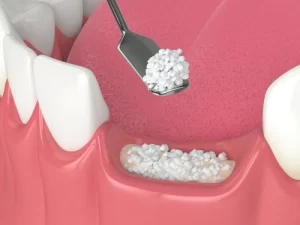 A dental bone graft surgery is performed to restore bone volume that has been lost due to tooth loss, gum disease, periodontal disease, trauma, or long-term missing teeth. Bone loss can weaken the dental bone and surrounding teeth, making it difficult to place dental implants or support other restorative treatments.
During the bone graft procedure, bone graft material is placed into the graft site to encourage new bone tissue to form. This graft material may come from human bone, the patient’s own body, synthetic materials, or other bone material designed to support natural bone regeneration.
The body’s natural response allows the graft material to integrate with existing bone, supporting bone growth and restoring lost bone over time.
How the Healing Process Should Normally Progress
After a dental bone graft procedure, some swelling, discomfort and mild bleeding are expected during the initial healing period. Prescribed pain medication is often used to manage discomfort, and maintaining good oral hygiene is essential for proper healing.
Over the following weeks and months, the bone graft material should gradually integrate with the surrounding bone. Healthy bone tissue forms, gum tissue heals, and bone volume increases. When the area heals as expected, the graft site develops the strength needed to support dental implants or other restorative treatment options.
Problems arise when the graft does not integrate, becomes infected, or fails to support bone growth. This is when the signs of a failed dental bone graft may appear.
Early Warning Signs of a Failed Dental Bone Graft
Recognising early warning signs allows for timely intervention and reduces the risk of implant failure or additional grafting procedures.
Persistent Pain That Does Not Improve
Some discomfort is normal after oral surgery, but persistent pain that worsens instead of improving may indicate graft failure. Severe pain beyond the expected healing process can suggest infection, poor blood supply, or bone graft rejection.
Persistent pain at the surgical site should never be ignored, especially if prescribed pain medication provides little relief.
Excessive or Persistent Bleeding
Minor bleeding is expected immediately after dental bone graft surgery. However, excessive bleeding or persistent bleeding that continues beyond the first few days can be a sign of a failed graft.
Ongoing bleeding may indicate that the surgical site is not healing properly or that the graft material is not stabilising within the bone.
Swelling That Increases Instead of Reducing
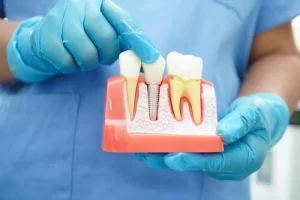 Swelling peaks within the first few days after oral surgery typically and then gradually reduces. Increasing swelling, especially when accompanied by redness, warmth, or tenderness, can indicate infection or graft failure.
If swelling spreads to surrounding tissues, sinus cavities, or the jaw, further evaluation is essential.
Signs of Infection at the Graft Site
Infection is one of the most common causes of dental bone graft failure and can interfere with bone growth and healing.
Pus or Unusual Discharge
Any discharge from the graft site, particularly if it is thick, yellow, or foul-smelling, is a serious warning sign. This indicates infection at the surgical site and can compromise surrounding bone and gum tissue.
Fever and General Illness
A fever following oral surgery is not normal and may signal oral health complications. Infection can spread beyond the graft site, affecting the surrounding teeth and bone or graft material.
In such cases, contacting a dentist immediately is critical.
Signs the Bone Graft Is Not Integrating
Successful grafting relies on the integration of graft material with natural bone. When this process fails, several signs may appear.
Loose or Exposed Graft Material
Bone or graft material that becomes visible through the gum tissue or feels loose suggests the graft has not stabilised. Gum recession around the graft site may expose the bone material, increasing the risk of infection and graft failure.
Lack of Bone Growth on Follow-Up Imaging
Dental imaging is often used to monitor bone growth. If scans show little or no increase in bone volume after several months, this may indicate a failed graft or poor blood supply to the area.
Gum and Soft Tissue Changes to Watch For
Healthy gum tissue is essential for supporting bone regeneration and protecting the graft site.
Gum Recession Around the Graft Site
Receding gum tissue can expose the graft and underlying bone, increasing the risk of bone graft rejection and infection. Gum recession may also affect surrounding teeth and overall oral health.
Persistent Redness or Inflammation
Ongoing inflammation of the gum tissue beyond the expected healing period may signal infection, graft failure, or irritation caused by poor oral hygiene.
Signs of Failed Dental Bone Graft When Dental Implants Are Involved
Dental implants rely on a stable foundation of bone. A failed dental bone graft can lead to implant failure if not addressed early.
Loose Implant or Implant Instability
A loose implant suggests inadequate bone support. This may occur when the bone graft has failed to integrate with existing bone, resulting in insufficient bone volume.
Pain Around the Implant Site
Pain around a dental implant, particularly when chewing or applying pressure, may indicate underlying bone graft failure or infection.
Common Causes of Dental Bone Graft Failure
Understanding why graft failure occurs can help prevent future complications.
Poor Blood Supply
Bone tissue requires an adequate blood supply to heal. Areas with poor circulation may struggle to support bone growth, leading to graft failure.
Gum Disease and Periodontal Disease
Active gum disease or periodontal disease increases the risk of infection and interferes with the healing process. These conditions can compromise both the graft site and the surrounding bone.
Poor Oral Hygiene
Failing to maintain good oral hygiene allows bacteria to accumulate, increasing the risk of infection and bone graft rejection. Keeping the surgical site clean is essential for healing properly.
Body’s Natural Response to Graft Material
In some cases, the body may react negatively to graft material, particularly synthetic materials or certain bone graft materials. This body’s natural response can lead to inflammation, rejection, or failure to integrate.
What to Do If You Notice Signs of a Failed Dental Bone Graft
If you notice any warning signs, early intervention is key to preventing further complications.
Contact a Dental Professional Promptly
Any signs of a failed graft, such as persistent pain, excessive bleeding, or swelling, should be assessed by a dental professional immediately. Timely intervention can often prevent tooth loss, implant failure, or the need for extensive corrective treatment.
Follow All Aftercare Instructions Carefully
Maintaining good oral hygiene, taking prescribed pain medication as directed, and avoiding pressure on the graft site all support healing.
Additional Grafting or Restorative Options
In some cases, additional grafting procedures may be required. Other restorative treatments may also be considered depending on bone volume, surrounding teeth, and overall oral health.
Protecting Long-Term Oral Health After Bone Grafting
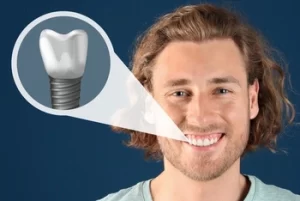 A dental bone graft plays an important role in restoring bone volume and supporting future dental implants. While dental bone graft failure is not common, understanding the signs of a failed dental bone graft allows for early action and better outcomes.
By maintaining good oral hygiene, attending follow-up appointments, and responding promptly to warning signs, patients can reduce oral health complications and support successful bone growth. A stable foundation of healthy bone and gum tissue remains essential for long-term oral health and confident restorative care.
If you are concerned about healing after a dental bone graft or would like personalised guidance, book a consultation with Finesse Dental at (02) 8806 0790. Our team can assess your oral health and discuss the next steps to support long-term comfort and stability.
Note: Any surgical or invasive procedure carries risks. Before proceeding, you should seek a second opinion from an appropriately qualified health practitioner.
References
WebMD. (2023, October 7). Receding gums: Causes, treatment, surgery, and prevention. WebMD. https://www.webmd.com/oral-health/receding_gums_causes-treatments
U.S. National Library of Medicine. (n.d.). Pain medications – narcotics (MedlinePlus Medical Encyclopedia). MedlinePlus. https://medlineplus.gov/ency/article/007489.htm
Cleveland Clinic. (2024, August 6). Dental bone graft: Process, purpose, and healing. Cleveland Clinic. https://my.clevelandclinic.org/health/treatments/21727-dental-bone-graft