
For 13+ years, delivering exceptional family and cosmetic dental care you can trust.

Welcome to finesse dental
At Finesse Dental, under the leadership of Dr Robby Sehmi, we welcome patients of all ages to our advanced facility. Our clinic provides comprehensive dental services that enhance smile health and aesthetics, ensuring high-quality care for every patient.
Dr Sehmi’s expertise has led Finesse Dental to become a recognised Clinical Research Centre for DIO Implants, highlighting our commitment to pioneering innovations in dental implant technology. This partnership reflects our focus on integrating the latest advancements to benefit our patients.
Our clinic’s dedication to excellence has not gone unnoticed, as evidenced by the numerous awards we have received. These accolades underscore our leadership in patient service, locally and nationally, in the dental community.
2021 Local Business Awards | 2019 Local Business Awards | 2019 What Clinic Patient Service Award |
2019 Australian Small Business Champion Award (National)













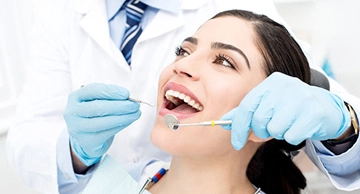
Intense tooth pain may indicate serious dental issues; immediate examination and treatment are necessary.
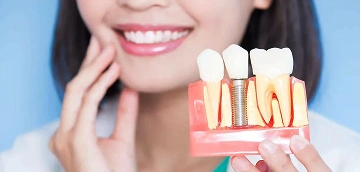
Quick action is needed for chipped or broken teeth to prevent further damage and ensure proper repair.
Urgent dental care is essential when fillings or crowns are lost to protect the tooth and prevent decay.

An abscess is a serious infection requiring urgent dental attention to relieve pain and prevent the spread of infection.
T&Cs apply. Enquire at the clinic.
T&Cs apply. Enquire at the clinic.
Our clinic has introduced Happy Gas to ensure a relaxing dental treatment experience!
*Terms & conditions apply. OPG and X-ray are not included, if required. Please check in-store.

BDS, BSc , BA – Principal Dentist (Registration No DEN0001247925)
Award-winning dentist and founder of Finesse Dental, Dr Robby Sehmi, specialises in cosmetic, restorative, and implant dentistry, including the Neodent Implant System, providing personalised care to help patients restore missing teeth, maintain oral health and more.

AHPRA Registration No
DEN0002475965, Type: General

AHPRA Registration No
DEN0002062435, Type: General

AHPRA Registration No DEN0002158916, type: General

AHPRA Registration No DEN0002902280, type: General
When tooth pain strikes, our urgent evaluations quickly pinpoint the issue, directing you to effective solutions.
We offer adjustable, interest-free payment plans, ensuring that excellent dental care is accessible and manageable for all our patients.
Opening Hours
Monday 9:00 am – 6 pm Tuesday9:00 am – 6 pmWednesday9:00 am – 6 pmThursday9:00 am – 7 pmFriday 9:00 am – 6 pmSaturday9:00 am – 2 pmSunday Closed
Neglecting a dental emergency can lead to a cascade of negative outcomes, significantly impacting oral and overall health. Addressing dental emergencies promptly is essential to prevent further complications and ensure effective treatment.
One of the primary complications of failing to address a dental emergency is the progression of infection. Conditions such as abscesses, if left untreated, can spread from the origin site to other parts of the mouth and even enter the bloodstream, leading to potentially life-threatening situations like sepsis. Infections that spread can also severely damage the jawbone and surrounding tissues, complicating any future attempts at dental care, including the placement of dental implants.
Ignoring dental emergencies can significantly complicate or even preclude future cosmetic dental treatments. For instance, untreated decay or gum disease can undermine the foundations necessary for cosmetic enhancements such as dental implants, teeth whitening, and cosmetic dental treatments. Advanced gum disease might lead to tooth loss, which can significantly alter the outcome of cosmetic dental treatment.
Broken teeth are a common dental emergency that, if not promptly treated, can lead to tooth loss. A crack or chip might seem minor, but over time, it can deepen or spread, causing the tooth to break off completely. Even small fractures can allow bacteria to enter and infect the tooth’s pulp, complicating treatments like dental fillings or leading to the need for more severe interventions such as wisdom teeth extractions if the damage is near the back of the mouth.
A dental emergency left unattended often results in the deterioration of overall dental health. For example, a missing dental filling might not be painful initially, but over time, the exposed tooth is susceptible to further decay. What could have been a simple replacement may require a more elaborate treatment like a root canal or a crown to restore the tooth’s integrity.
Ignoring a dental emergency can also lead to financial and emotional stress. The cost associated with emergency dental treatment generally increases as the underlying condition worsens. What might initially require a straightforward and inexpensive procedure could evolve into a complex and costly treatment regime. The emotional impact of dealing with severe dental pain, complex treatments, and higher medical bills can significantly affect a person’s quality of life.
When dental emergencies are ignored, they often become more complex to treat. Emergency dentists are faced with more challenging cases that require intricate procedures to correct.
For those considering or currently maintaining cosmetic dentistry work such as dental implants or veneers, ignoring dental emergencies can permanently alter the aesthetic outcome. For instance, untreated decay or trauma can lead to significant alterations in tooth structure, requiring more extensive restoration work that may not fully recapture the original cosmetic intent.
Promptly addressing a dental emergency not only preserves oral health but also prevents the escalation of damage, saving both discomfort and money in the long term. It is vital to contact a dental practice immediately when facing a dental emergency to avoid the severe repercussions associated with delayed treatment. Regular trips to the dental clinic for check-ups and maintaining good oral hygiene are proactive steps everyone should take to minimise the risk of dental emergencies.
Maintaining optimal oral health entails more than just reacting to problems; it requires a proactive approach to prevent common dental emergencies. Here, we will cover essential strategies to safeguard your dental health and avert emergency situations.
One of the most effective strategies to prevent dental emergencies is to ensure regular visits to your dental clinic. These trips allow your dentist to undertake thorough examinations and cleanings, which are vital in catching and addressing potential issues before they escalate. Regular assessments can detect early signs of tooth decay, gum inflammation, and other conditions that might lead to severe dental emergencies if untreated.
A diligent oral hygiene regimen is your first line of defence against dental emergencies. To effectively remove dental plaque and food residues that cause tooth decay and gum disease, it is vital to brush twice daily with fluoride toothpaste and floss at least once a day.
Introducing an antibacterial mouthwash into your routine can further minimise the bacteria that are responsible for oral infections.
Participating in sports, especially contact sports, significantly increases the risk of dental injuries. Wearing a professionally made mouthguard can drastically reduce the likelihood of incidents such as knocked-out teeth or broken jaws. Getting a custom-fitted mouthguard from your dental professional provides greater safety compared to pre-packaged options.
Many dental emergencies stem from harmful eating habits and inappropriate oral practices. Avoiding hard and sticky foods that can crack or dislodge teeth is a key preventive measure. Equally, refraining from using your teeth to open bottles, cut tape, or perform other non-eating tasks protects against chips and fractures.
Do not overlook minor dental discomforts such as slight persistent tooth pain, sensitivity, or occasional gum bleeding. These symptoms can be early warnings of underlying issues that could develop into severe problems. Scheduling an emergency appointment when these symptoms persist can prevent complications and eliminate the need for more invasive emergency dental treatment later.
While prevention is ideal, being prepared for potential dental emergencies is equally important. Gaining knowledge of the key actions to take when confronted with a dental emergency can make a meaningful difference in effectively managing the situation.
For instance, knowing how to properly handle and preserve a knocked-out tooth while on the way to an emergency dentist can increase the chances of successful reimplantation.
Identifying a reliable emergency dental service and familiarising yourself with their procedures before an emergency arises can conserve important time and reduce stress when urgent care is needed. Realising exactly where to find assistance and what to look forward to can expedite the process and ensure you receive immediate and effective treatment.
Preventing dental emergencies is a significant factor in maintaining long-term oral health. Through regular dental care, protective measures, cautious eating habits, and immediate attention to initial symptoms, you can significantly reduce the likelihood of facing urgent dental situations. Remember, the health of your mouth is deeply linked to your overall well-being, making these preventive strategies not just an investment in your oral health but in your general health too.
It is essential to identify and not disregard symptoms that indicate the requirement for emergency dental attention. Recognising these critical signs can prevent severe complications and ensure timely and effective treatment.
If you experience gum bleeding that doesn’t stop after normal brushing or flossing or if your gums are consistently swollen and painful, these could be signs of underlying periodontal disease. Immediate consultation with a dental professional is necessary to address these symptoms, which could worsen and lead to more intense infections or tooth loss.
A sudden onset of pain or heightened sensitivity when chewing can be alarming. These symptoms often arise from structural issues within the tooth, such as deep cracks, extensive cavities, or loose fillings. Without prompt care, such conditions can lead to severe infections or necessitate more complex treatments like root canals.
Any symptomatic oral infection, marked by foul taste, persistent bad breath, fever, or visible pus, requires urgent medical attention. These infections can quickly escalate, spreading to other parts of the face, neck, or even systemically, which can be life-threatening.
Jaw pain or swelling can indicate various issues, from dental abscesses to temporomandibular joint disorders (TMJ). Such symptoms should not be ignored as they can signify more severe health issues requiring immediate emergency dental care to alleviate pain and diagnose the underlying cause.
Sores or ulcers in the mouth that linger beyond a couple of weeks need professional evaluation, particularly if they are painless and non-healing. These could be signs of oral cancer or other intense conditions. Prompt diagnostic intervention by a dental professional is crucial to ensure proper treatment.
Understanding and acting upon these urgent dental symptoms can significantly impact your overall health outcomes. Early detection and treatment by an emergency dentist not only resolve immediate concerns but also prevent potential long-term damage to your oral health. Always prioritise an emergency appointment when encountering any of these critical signs.
To claim this offer, use CODE PROMO13PCC in the ‘notes’ section when booking in your appointment
To claim this offer, use CODE PROMO12ARCH in the ‘notes’ section when booking in your appointment