

Dental implant aftercare shapes how your mouth settles after treatment and how confidently you move through recovery. The days following placement often come with unfamiliar sensations, small changes to routine, and questions about what deserves attention. Knowing how your body responds and how your choices influence healing allows you to support recovery without unnecessary worry.
What Your Mouth Needs Immediately After Dental Implant Surgery
The first phase after placement focuses on stabilising tissues and allowing early healing to begin without disruption.
Early Changes Around the Surgical Area
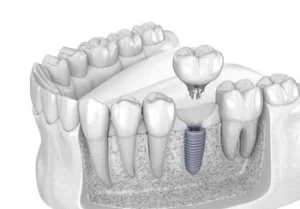
Right after dental implant surgery, your mouth reacts to the surgical area through swelling, warmth, and mild tension. These changes reflect an increase in blood flow to support repair. The surgical site may feel fuller than expected, especially during the first day. This response is part of the healing process and usually eases as circulation stabilises.
 Why The Implant Site Feels Different At First
You may notice that the implant site feels distinct from surrounding natural teeth when you talk or swallow. This awareness often relates to swelling rather than movement. A proper dental implant sits firmly in place, even when the sensation feels unfamiliar. As the healing period progresses, this awareness typically fades.
Protecting The Blood Clot During The Healing Period
A stable blood clot forms shortly after placement and plays a central role in early repair. This clot shields deeper tissues and supports bone response. Actions such as avoiding chewing directly over the area and limiting tongue contact help preserve it. Disturbance during this stage can delay healing and raise infection risk.
Pain Signals Worth Paying Attention To
Discomfort during early dental implant recovery is common and often settles with time. Your dentist may prescribe pain medication or advise on pain management strategies to help manage pain safely. Prescribed medication works well when combined with rest and calm routines. Severe pain that escalates instead of easing deserves prompt review.
When Bleeding Or Swelling Should Not Be Ignored
Some oozing is expected, though excessive bleeding that continues or bleeding persists beyond guidance should be assessed. Increasing swelling after initial improvement can also signal irritation. Contact your dentist if symptoms change or do not settle as expected. Early review can prevent small issues from becoming larger setbacks.
Daily Habits That Support Healing and Long-Term Implant Success
Once early healing settles, your everyday routines influence how well the implant adapts and performs over time.
Cleaning Gently Without Disturbing Healing Tissue
Oral hygiene remains important, even when tissues feel tender. Using a soft-bristled toothbrush allows you to brush gently without stressing the area. Cleaning around the implant removes food particles that irritate the gums. Careful technique supports good oral hygiene without interfering with healing.
Using a soft toothbrush helps maintain comfort while reducing irritation during early care. Gentle cleaning also supports preventing infection efforts during recovery. These steps align with basic dental implant aftercare tips shared during the early review.
Using The Right Tools As The Area Settles
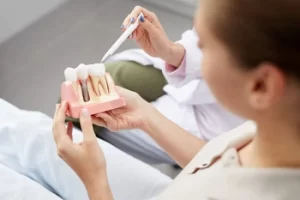 As tenderness reduces, additional tools may be introduced. Implant-specific floss and interdental brushes help clean spaces that a brush cannot reach. An oral irrigator on a low setting can assist with rinsing debris without pressure.
These tools support proper dental implant care as access improves. Each tool should be used in line with the dentist’s instructions to avoid irritation. Careful use supports proper aftercare without placing strain on healing tissue. This gradual approach helps tissues heal properly as sensitivity settles.
Food Choices That Reduce Pressure While Healing
A soft food diet supports comfort while tissues stabilise. Soft foods reduce mechanical load during chewing. Foods such as soups, yoghurt, and eggs allow nutrition without stress. Avoid extremely hot foods early, as heat can irritate healing tissues.
Eating this way helps manage changes that follow the replacement of missing teeth. Reduced chewing effort allows the bone response to promote healing without disruption. Consistency during meals also supports steady adaptation at the implant site.
Foods And Habits That Interfere With Recovery
Sticky foods and hard foods can dislodge debris or apply force where stability is still developing. Acidic foods may irritate gums and slow repair. Too much pressure during chewing can disrupt integration. Choosing meals carefully helps protect the implant site during recovery.
Strain during this phase increases the chance of poor adaptation and may raise concern about dental implant failure. Sudden pressure can interrupt tissue response before stability is established. Avoiding these habits allows bone changes to progress without interruption.
Why Smoking And Heat Slow Tissue Repair
Smoking restricts blood flow and limits oxygen delivery to healing tissues. Avoid smoking during recovery to support implant success. Heat from drinks can also irritate tissues, so avoid hot drinks during early healing. These adjustments support circulation and reduce irritation.
Improved circulation helps promote blood flow where bone and soft tissue are adapting. Reduced irritation supports early clot stability and comfort. These choices help tissues respond without unnecessary stress.
Long-Term Implant Maintenance Beyond The Healing Phase
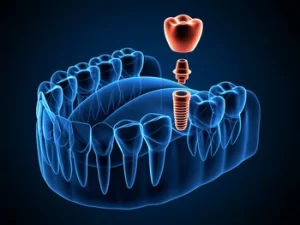 Once healing completes, implant maintenance becomes part of routine dental care. Proper maintenance includes regular dental check-ups and monitoring by an implant dentist. Dental implant care continues beyond the early phase, supporting stability and function. This approach supports dental implant success over time.
Long-term care relies on steady habits, not intensive effort. Planning reviews help confirm integration and surface health. Ongoing attention supports predictable outcomes as daily routines normalise.
Supporting Oral Health Around Implants Over Time
Maintaining good oral hygiene protects both dental implants and remaining natural teeth. Plaque accumulation can contribute to gum disease or tooth decay if ignored. Good oral hygiene practices reduce these risks. Healthy surrounding tissues support long-term oral health.
Allowing the body adequate rest supports immune response and tissue balance. Recovery rhythms improve when physical strain is managed carefully. These habits help the surrounding structures adapt comfortably over time.
Supporting Healing With Steady, Informed Care
Dental implant aftercare influences how comfortably your mouth heals and how reliably integration progresses. Attention to hygiene, diet, and rest supports implant success without unnecessary intervention. Regular review and thoughtful care protect long-term comfort and stability.
Small changes can appear gradually, so noticing shifts in comfort, swelling, or bite awareness helps you respond early. Staying aligned with the guidance you have been given supports healing without overcorrection. If something feels out of step, timely clarification often prevents avoidable setbacks.
If questions arise or symptoms feel unclear at any stage, reaching out for guidance supports recovery and confidence. Please contact our clinic on (02) 8806 0790 to discuss your recovery or arrange a review.
Note: Any surgical or invasive procedure carries risks. Before proceeding, you should seek a second opinion from an appropriately qualified health practitioner.
References
https://dentistry.uic.edu/patients/dental-services/general-family-dentistry/guide-to-dental-implants-a-popular-option-for-tooth-replacement/
https://my.clevelandclinic.org/health/treatments/10903-dental-implants