
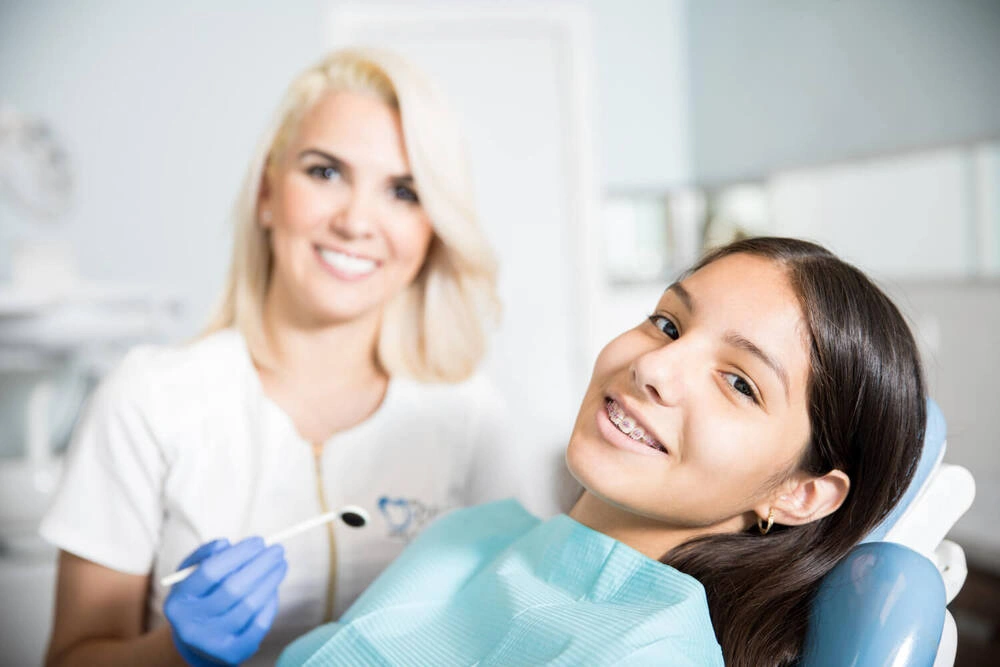
Many people considering braces ask the same question: “Do braces hurt?” It is a valid concern, especially for children, teenagers, and adults starting orthodontic treatment for the first time.
Braces are commonly used to improve teeth alignment, bite function, and overall positioning of the teeth over time. They work by applying gentle pressure to move the teeth into new positions gradually. Because the teeth and surrounding tissues are adjusting, some pain and discomfort can happen during different stages of braces treatment.
The good news is that most patients experience only mild discomfort that improves as the mouth adapts. Understanding what braces pain feels like and how long it lasts can make the process feel less uncertain.
Why Braces Can Feel Uncomfortable
When braces are first fitted, the teeth begin responding to consistent pressure from the brackets and wires. This movement affects the tissues around the teeth and the surrounding tooth roots, which can lead to temporary soreness.
Some patients find that their teeth feel tender during the first week of treatment. Others describe the feeling as a dull ache rather than severe pain.
The braces themselves may also rub against the cheeks and lips while the mouth adjusts. This irritation usually becomes less noticeable over time as the soft tissues adapt.
When Braces Pain Usually Starts
Braces pain does not always begin immediately after the braces are fitted.
The First Few Hours
Many people feel fine within a few hours after getting braces. As the teeth begin responding to pressure, soreness may slowly develop.
The discomfort often becomes more noticeable later in the day or during the evening.
The First Few Days
 The first few days are usually when orthodontic pain feels strongest. During this stage, the teeth may feel sore while biting or chewing.
Most patients describe the discomfort as manageable rather than painful. The body adjusts gradually as the teeth begin moving.
For many people, soreness improves after a few days.
What Braces Pain Feels Like
Different people experience braces pain in different ways.
Common Feelings
People wearing braces may notice:
- Mild discomfort when chewing
- Tender teeth
- A dull ache in the mouth
- Sore gums
- Sore spots inside the cheeks
- Sensitivity when biting into firm foods
These symptoms are usually temporary and are considered a normal part of orthodontic treatment.
Irritation From Brackets And Wires
Brackets and wires can sometimes rub against the cheeks and lips. This friction may create small sore spots inside the mouth.
How Long Do Braces Hurt?
Many people ask how long braces hurt after treatment begins or after adjustments.
Typical Timeframe
For most patients, soreness improves within a few days after braces are fitted. Mild tenderness may continue for about a week, especially when chewing.
After adjustment appointments, temporary soreness may return for a short period while the teeth respond to new pressure.
Long-Term Discomfort
Braces should not cause severe pain for long periods. If severe pain continues or becomes worse over time, it may be important to arrange a dental appointment.
Managing Braces Pain At Home
There are several simple ways to support comfort while managing braces pain.
Choosing Soft Foods
Soft foods are often easier to eat during the adjustment period because they require minimal chewing.
Many people choose foods such as:
- Mashed potatoes
- Yoghurt or frozen yogurt
- Soup
- Soft pasta
- Scrambled eggs
Foods that require minimal chewing may help reduce pressure on sore teeth.
Cold Foods And Cold Compresses
Cold foods may help reduce inflammation and improve comfort. Some people find relief by slowly sucking on ice cubes or eating chilled foods.
A cold compress placed gently against the outside of the jaw may also help reduce soreness.
Warm Saltwater Rinse
A warm saltwater rinse may help soothe sore gums and irritated areas inside the mouth.
Mixing a teaspoon of salt into warm water and swishing gently may help keep the mouth comfortable. It is important to swish gently rather than forcefully.
Products That May Help Reduce Irritation
Several products are commonly used for pain relief during braces treatment.
Orthodontic Wax
Orthodontic wax can be placed over brackets that feel rough or uncomfortable. This creates a smoother surface between the braces and the cheeks and lips.
A small amount of wax is usually applied using clean fingers or a cotton swab.
Pain Relievers
Some people use pain relievers for short-term comfort after braces are adjusted.
Suitable over-the-counter options may help manage temporary soreness if needed.
Topical Oral Anaesthetics
Topical oral anaesthetics are sometimes used on sore spots inside the mouth. These products may temporarily numb irritated areas caused by rubbing from braces or rubber bands.
Foods To Avoid While Wearing Braces
Certain foods can make discomfort worse or damage the braces.
Sticky And Hard Foods
Sticky foods can pull at brackets and wires or become trapped around the braces.
Very hard foods may place extra pressure on sore teeth during the adjustment period.
Acidic Foods
Some people notice increased sensitivity when eating acidic foods. It may help to avoid acidic foods temporarily if the mouth feels irritated.
Why Teeth Movement Can Cause Soreness
Braces work by applying controlled pressure to move teeth into better positions over time.
The Adjustment Process
The body adjusts gradually during orthodontic treatment. As treatment continues, many patients become more familiar with the feeling of pressure and tenderness.
How Speech May Temporarily Change After Getting Braces
Some people notice small changes in their speech after getting braces. This is usually temporary and often improves as the mouth adapts to the brackets and wires.
Braces take up extra space around the teeth, which can slightly change how the tongue moves when speaking. Certain sounds may feel different at first, especially “s” or “sh” sounds. Some people may notice a mild lisp during the early stages of treatment.
Why Speech May Feel Different
 The tongue normally touches specific areas around the teeth and mouth while forming words. When braces are added, the tongue may need time to adjust to the new surfaces created by the brackets and wires.
The cheeks and lips may also feel tighter or more aware of the braces during the first few days. This can make speaking feel less natural at first, especially during longer conversations.
Speech changes are often more noticeable immediately after braces are fitted or adjusted. As soreness settles and the mouth becomes more familiar with the braces, talking often becomes easier again.
How Most People Adjust
For most patients, speech changes improve gradually within the first few days or weeks. Many people continue school, work, and daily conversations without major difficulty while adjusting to braces.
Reading out loud may help the mouth adapt more quickly. Some people practise conversations at home or repeat words that feel harder to pronounce. This may help improve confidence during the adjustment period.
Drinking water regularly may also help if the mouth feels dry while speaking. When brackets feel rough against the inside of the cheeks or lips, orthodontic wax may help reduce irritation and make talking feel more comfortable.
Although speech changes can feel frustrating at first, they are usually temporary and become less noticeable as the mouth adapts to wearing braces.
Are Braces Always Painful?
Many people worry that wearing braces will feel painful all the time. In reality, most patients experience discomfort in short stages rather than continuously.
Severe Pain Is Less Common
Severe pain is not considered typical during braces treatment. If braces suddenly hurt significantly, or if something feels broken or sharp, a dentist should assess the situation.
Looking Ahead To The Final Results
While the adjustment period can feel uncomfortable at times, many people continue treatment because they want straighter teeth and improved alignment.
Orthodontic treatment is a gradual process, and changes happen slowly over time. As the teeth move into new positions, many patients begin noticing improvements in their smile and bite.
The goal of braces treatment is not simply a perfect smile, but also better function and easier cleaning between the teeth.
Final Thoughts On Braces Pain
 So, do braces hurt? Some soreness and tenderness are common, especially during the first week and after adjustments. However, most patients experience only mild discomfort that improves as the mouth adapts.
Understanding how braces work, what symptoms are normal, and how to manage discomfort can help make the process feel more manageable. With supportive care, suitable foods, and time for the body to adjust, braces pain is often temporary and easily managed.
If you are concerned about braces pain or would like support with understanding your orthodontic treatment options, you can book a consultation with us at Finesse Dental or call (02) 8806 0790 to discuss your situation and appropriate care options.
Resources
“Kumar, M., Chawla, R. and Goyal, M. (2015). ‘Topical Anesthesia’. Journal of Anaesthesiology Clinical Pharmacology, October–December. Mumbai, India: Medknow Publications. https://pmc.ncbi.nlm.nih.gov/articles/PMC4676230/”
“Stanborough, R.J. (2019). ‘How Are Braces Put On?’. Healthline, 8 February. San Francisco, CA: Healthline Media. https://www.healthline.com/health/dental-and-oral-health/how-are-braces-put-on”
“Cleveland Clinic (2025). ‘How To Follow A Soft Food Diet’. Cleveland Clinic, 4 August. Cleveland, OH: Cleveland Clinic. https://health.clevelandclinic.org/soft-food-diet”