

Finishing Invisalign treatment is an exciting milestone. After months of wearing clear aligners and watching misaligned teeth gradually move into place, you finally see your straight smile in the mirror. But completed treatment does not mean the journey is over.
The next step is just as important as the active phase of orthodontic treatment. It is called the retention phase. And this is where a permanent retainer after Invisalign often comes into the picture.
If you are wondering whether you need one, how it works, and how it affects your dental health long term, this guide will walk you through everything in a clear and practical way.
Why Retainers Matter More Than You Might Think
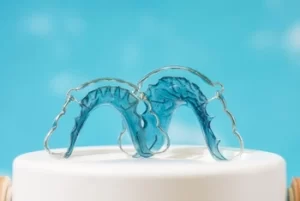 Once your Invisalign aligners have moved your teeth into their new position, those teeth are not yet stable. The surrounding bone and soft tissues need time to adapt. Without support, teeth shift back towards their original position. This can happen slowly or surprisingly quickly.
That is why wearing a retainer after Invisalign is essential. It protects the results of your orthodontic treatment and helps maintain your straight teeth.
Think of it this way. Aligners and braces move your teeth. Retainers keep them there.
Preventing teeth from drifting is not just about aesthetics. When teeth shift, it can affect your bite, lead to uneven wear, and even increase the risk of dental issues like tooth decay or gum disease due to harder-to-clean areas.
What Is a Permanent Retainer After Invisalign?
A permanent retainer after Invisalign is also known as a fixed retainer. It usually consists of a thin custom-fitted wire bonded to the back of your front teeth using dental cement.
Because it is attached behind the teeth, it is not visible when you smile. Most people do not even notice it once it is placed.
Unlike removable retainers, a fixed retainer stays in your mouth at all times. You do not take it out to eat, sleep, or clean it separately. It quietly works in the background to keep your teeth in their new position.
Fixed Retainers Versus Removable Retainers
There are different types of retainers, and your dentist may recommend one or a combination depending on your case.
Fixed Retainers
Fixed retainers are bonded behind the front teeth with metal wires and dental cement. They are commonly used on the lower teeth, where tooth shifting is more likely.
Advantages include:
- No need to remember to wear retainers
- Continuous support
- Discreet placement behind the teeth
However, they require excellent oral hygiene and proper care to prevent plaque buildup.
Removable Retainers
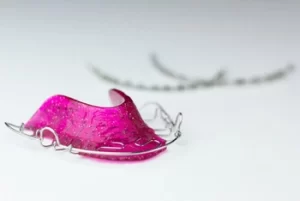
Removable retainers include clear retainers made from clear plastic material and traditional options such as the Hawley retainer, which combines acrylic and metal wires.
Clear plastic retainers look much like clear aligners in design. They sit snugly over the full arch of your teeth and are discreet enough to be barely noticeable when worn.
The Hawley retainer is more visible, but durable and adjustable.
With removable retainers, you need to wear them exactly as instructed. Often this means full-time wear initially, followed by lifelong nighttime wear.
The key difference is responsibility. A removable one depends on you remembering to use it consistently.
Why Do Teeth Shift After Treatment?
Many patients are surprised to learn that teeth naturally want to move throughout life. Even after braces or Invisalign, there is a lifelong commitment to retention.
Teeth shift due to:
- Natural ageing changes
- Teeth grinding
- Bite pressure
- Changes in the jaw
- Periodontal changes, such as gum disease
Without a retainer, even a beautiful smile can slowly change. That is why a dentist’s advice often includes long-term or even lifelong nighttime wear for removable retainers or ongoing use of fixed retainers.
What Does a Permanent Retainer Feel Like?
When first placed, a permanent retainer may feel slightly unfamiliar. Your tongue will notice the small custom-fitted wire behind your teeth.
Some patients say it feels tight for a few days. That sensation usually fades as your mouth adapts.
It should not cause pain. If it does, or if it feels loose, your dentist should assess it.
Because it is attached with dental cement, you cannot remove it yourself. If it becomes detached, it needs professional repair.
Caring for a Permanent Retainer Properly
Good oral health is essential when you have a fixed retainer. Because the wire sits close to the teeth, food particles can collect around it.
Without proper care, this can increase the risk of tooth decay and gum disease.
 Daily Oral Hygiene Routine
- Use a soft toothbrush to gently clean around the retainer and along the gumline.
- Pay extra attention to the back of your front teeth.
- Use a floss threader to guide floss under the wire.
- Consider a water flosser to remove food particles more effectively.
- Maintain regular check-ups with your dentist or general dentist.
Oral hygiene needs to be thorough but gentle. Avoid scrubbing aggressively. A consistent routine supports good oral health and protects your healthy smile.
Cleaning Removable Retainers the Right Way
If you are using clear retainers or another removable retainer after Invisalign, cleaning them is equally important.
Remove them before eating and rinse them with water. Clean them daily with mild soap and a soft toothbrush. Avoid hot water, as it can distort clear plastic.
Never use harsh chemicals or toothpaste that can scratch the surface. Proper care keeps your retainer clear and fresh.
Who Needs a Permanent Retainer?
Not everyone will require a permanent retainer after Invisalign. The decision depends on several factors.
You may be more likely to need fixed retainers if:
- You had significant crowding of the front teeth
- You had gaps that were closed during treatment
- You have a history of tooth shift
- You grind your teeth
- You want low-maintenance retention
Your dentist will evaluate your case, bite stability, and risk of relapse before recommending the most suitable option.
Sometimes a combination is used. For example, a fixed retainer on the lower teeth and clear retainers on the upper teeth.
Common Concerns About Permanent Retainers
Can They Cause Gum Problems?
If oral hygiene is neglected, plaque buildup around the wire can irritate the gums. This may increase the risk of gum disease.
However, with proper care and regular professional cleaning, fixed retainers do not inherently cause gum problems.
Do They Damage Teeth?
When bonded correctly with dental cement, permanent retainers do not damage teeth. The bonding material is similar to what is used in other dental treatments.
Problems usually arise only if the retainer breaks and is not repaired promptly.
Can You Still Floss?
Yes. It simply requires a floss threader or water flosser to clean beneath the wire.
How Long Do You Need a Permanent Retainer?
This is where many patients are surprised.
Retention is often a lifelong commitment.
Teeth can shift even years after Invisalign or braces. For many patients, long-term retention provides peace of mind.
Your dentist may recommend keeping a fixed retainer indefinitely, provided it remains intact, and your dental health is stable.
For removable retainers, lifelong nighttime wear is common. The need to wear them consistently is crucial to maintaining your stunning smile.
Permanent Retainer Versus No Retainer at All
Choosing not to use a retainer after Invisalign is a risk. Even minor shifting can affect the symmetry of your straight smile.
Small changes in front teeth are especially noticeable. Over time, misaligned teeth can return, undoing months of orthodontic treatment.
A retainer protects your investment in treatment and supports long-term oral health.
What Happens If a Permanent Retainer Breaks?
If the custom-fitted wire detaches from one tooth, you may not notice immediately. Sometimes it feels different or catches food more easily.
Do not ignore it.
A loose section can allow teeth to move in their new position unevenly. Contact your dentist for assessment and repair.
Avoid attempting to adjust metal wires yourself. This can cause damage or injury.
The Psychological Side of Retention
After months of aligners, many patients feel relieved when active treatment ends. The idea of ongoing retention may feel disappointing at first.
However, wearing a retainer becomes part of normal life. Most patients adapt quickly and barely think about it.
Seeing your straight teeth and healthy smile each day reinforces why retention matters.
Working With Your Dental Team
 Maintaining your new smile is a partnership between you and your dentist.
Regular reviews ensure:
- The retainer remains intact
- Your bite remains stable
- No dental issues develop around the bonded area
- Your oral hygiene remains strong
Following the dentist’s advice and maintaining consistent check-ups helps preserve your beautiful smile long term.
Final Thoughts on Permanent Retainer After Invisalign
A permanent retainer after Invisalign is not simply an optional extra. It is a vital part of the overall treatment journey.
Whether you choose fixed retainers, removable retainers, or a combination of both, the purpose remains the same. To maintain your straight teeth and support long-term oral health.
Your Invisalign treatment guided your teeth into their new position. The retention phase ensures they stay there.
With consistent oral hygiene, proper care, and regular professional reviews, your new smile can remain stable and healthy for years to come.
If you have recently completed treatment or have questions about the right retainer for your needs, speak with the team at Finesse Dental on (02) 8806 0790. A personalised consultation can help you protect your results and keep your smile looking its best well into the future.
References
- Heboyan, A., Vardanyan, A., Karobari, M. I., Marya, A., Avagyan, T., Tebyaniyan, H., … Rokaya, D. (2023). Dental luting cements: An updated comprehensive review. Molecules, 28(4), 1619. https://pmc.ncbi.nlm.nih.gov/articles/PMC9961919/
- FDI World Dental Federation. (n.d.). Good oral health through life. https://www.fdiworlddental.org/good-oral-health-through-life
- Cleveland Clinic. (n.d.). Periodontal disease (gum disease): Causes, symptoms & treatment. https://my.clevelandclinic.org/health/diseases/21482-gum-periodontal-disease
- American Association of Orthodontists. (n.d.). What are dental retainers? https://aaoinfo.org/whats-trending/what-are-dental-retainers/