

A toothache that comes and goes can feel confusing and frustrating. One day, mild discomfort; the next, sharp or throbbing pain; and then it seems to disappear again. Many people delay seeking care because the pain is not constant. However, when a toothache comes and goes, it is often a sign that something deeper is developing beneath the surface.
Tooth pain rarely appears without a reason. Intermittent dental pain is your body’s way of warning you that a problem may be progressing slowly. Understanding why tooth pain that comes and goes happens can help you decide when home care is enough and when it is time to see a dentist.
This guide explains the common causes, symptoms, and treatment options so you can respond with confidence and protect your oral health.
Why tooth pain does not always stay constant
Dental pain behaves differently from other types of pain. The tooth’s nerve, also known as the dental pulp, can become irritated and then temporarily settle before flaring up again. Changes in pressure, temperature, inflammation, and even stress can influence how pain feels from day to day.
When a toothache comes and goes, it often means the underlying issue is still present but has not reached a constant or severe stage. This pattern is common in tooth decay, early infection, gum disease, and teeth grinding.
Ignoring these signals may allow the problem to progress into severe pain, facial swelling, or a dental abscess.
Early tooth decay and on-and-off pain
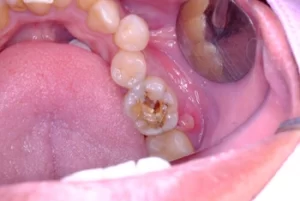 One of the most common reasons tooth pain comes and goes is tooth decay. In the early stages, decay affects the enamel and dentine. At this point, pain may only occur when eating sugary foods, cold foods, or hot and cold foods.
As decay moves closer to the tooth’s nerve, sensitivity can increase. You might feel a dull ache one day and nothing the next. This does not mean the decay has healed. It means the nerve is becoming irritated in stages.
Without dental treatment, such as dental fillings, decay can eventually reach the dental pulp and cause constant or throbbing tooth pain.
Throbbing tooth pain and nerve involvement
Experiencing throbbing tooth pain is often linked to inflammation around the tooth’s nerve. A throbbing sensation may pulse or beat in time with your heartbeat, especially at night or when lying down.
References to throbbing tooth pain often point to infected pulp or an abscessed tooth. At first, the pain may come and go as pressure builds and releases within the tooth. Over time, this can develop into severe pain that does not settle.
When the dental pulp becomes infected, treatment may involve procedures like a root canal or, in some cases, removing the tooth to clear the infection and achieve long-term pain relief.
Gum disease and pain along the gum line
Gum disease, commonly referred to as periodontal disease, can lead to dental discomfort that flares up at times and then eases again. In the early stages, swollen gums, bleeding, and mild discomfort may appear and disappear depending on oral hygiene habits.
As gum disease progresses, bacteria move deeper along the gum line, leading to inflammation, bone loss, and sensitivity affecting multiple teeth. Pain may feel like a dull ache rather than sharp pain.
Advanced gum disease can expose tooth roots, making sensitive teeth react strongly to cold foods and hot drinks. Regular dental check-ups are crucial to detect and manage gum disease before permanent damage occurs.
Cracked, chipped, or broken teeth
A cracked, chipped, or broken tooth can lead to pain that appears unexpectedly and varies in intensity. You may feel sharp dental pain when biting, then nothing once pressure is released.
Cracks can be microscopic and hard to see. They often trigger pain when chewing or when exposed to temperature changes. Teeth grinding increases the risk of cracks, especially during sleep.
Left untreated, cracks allow bacteria to enter the tooth, leading to infected tooth structures and possible dental abscess formation.
Wisdom teeth and intermittent pain
Wisdom teeth are a frequent reason for tooth pain that flares up intermittently and then settles again. As wisdom teeth erupt, they may partially break through the gums, trapping food and bacteria.
This can cause inflammation, swollen gums, and pain that flares up periodically. Some days may feel comfortable, while others bring throbbing pain, facial swelling, or difficulty opening the mouth.
When wisdom teeth lack sufficient room to emerge correctly, they can trigger ongoing infections and recurring dental problems. A dental professional can assess whether monitoring or removal is the best option.
Teeth grinding and jaw-related pain
Teeth grinding, also known as bruxism, can cause dental pain that comes and goes without obvious tooth damage. Grinding places pressure on teeth, restorations, and the temporomandibular joint.
People who grind their teeth may experience a dull ache, sensitivity, or pain in multiple teeth. Symptoms often worsen in the morning and improve during the day.
Long-term grinding can lead to cracked teeth, worn enamel, and jaw discomfort. Addressing stress, bite issues, and protective appliances can reduce inflammation and prevent further damage.
Sinus infections and referred dental pain
Not all tooth pain originates from dental problems. Sinus infections can cause pressure that feels like a toothache, especially in the upper teeth.
This type of dental pain often comes and goes with congestion and may affect several teeth at once. The discomfort can intensify when you bend forward or lie down.
If dental exams show no obvious tooth infection, sinus-related pain may be considered. Reviewing medical history helps ensure the correct diagnosis and treatment approach.
Signs that pain may indicate infection
While mild discomfort can sometimes settle temporarily, certain symptoms suggest a more serious issue, such as a tooth infection or dental abscess.
Watch for these warning signs:
- Throbbing toothache that lasts longer each time it appears
- Facial swelling or swelling around the gum line
- Persistent bad taste or discharge
- Severe pain that wakes you at night
- Sensitivity that lingers after hot and cold foods
- Swollen gums or tenderness when touched
An abscessed tooth or an infection within the pulp needs timely dental care to stop the infection from spreading further.
Home remedies for temporary pain relief
Home remedies may help provide pain relief for short periods, but they do not address the underlying cause. They should only be used while waiting to see a dentist. 
Common options include:
- Salt water rinse to reduce bacteria and soothe swollen gums
- Using a cold compress or an ice pack wrapped in a cloth can help reduce swelling.
- An ice pack applied externally for short intervals
- Avoiding sugary foods and extreme temperatures
- Gentle regular brushing to maintain good oral hygiene
These methods may reduce inflammation and ease discomfort, but will not cure dental issues such as decay or infection.
When to see a dentist without delay
If tooth pain comes and goes for more than a few days, it is important to see a dentist. Pain patterns often worsen over time, even if they seem manageable at first.
You should see a dentist urgently if you experience:
- Severe pain or worsening throbbing pain
- Facial swelling
- Fever or feeling unwell
- Pain spreading to the jaw, ear, or head
- Warning signs of a tooth infection or a dental abscess
Early dental treatment leads to simpler treatment options and better outcomes.
How dentists diagnose intermittent tooth pain
A dental professional will begin by reviewing your medical history and symptoms. They will assess your teeth, gums, and bite, and may take dental X-rays to assess bone loss, decay, or infection.
Understanding whether pain is linked to dental pulp inflammation, periodontal disease, sinus infections, or jaw issues helps determine the most appropriate treatment plan.
Clear diagnosis ensures pain is treated effectively rather than temporarily masked.
Treatment options that address the cause
Treatment depends on the source of pain. Options may include:
- Dental fillings for tooth decay
- Root canal treatment to remove infected pulp
- Dental crowns to protect cracked or weakened teeth
- Gum treatment for periodontal disease
- Management of teeth grinding
- Wisdom teeth assessment and removal if needed
Appropriate treatment not only relieves pain but also protects long-term oral health and surrounding teeth.
Preventing toothaches that come and go
Prevention plays a crucial role in reducing dental pain. Simple habits can significantly lower the risk of recurring discomfort.
 Focus on:
- Good oral hygiene with regular brushing and flossing
- Limiting sugary foods and acidic drinks
- Wearing protection if you grind your teeth
- Attending regular dental check-ups
- Seeking early care when pain first appears
These steps help prevent dental problems before they progress into severe pain or infection.
Bringing it all together with confidence
When a toothache comes and goes, it is rarely something to ignore. Intermittent dental pain is often an early warning sign of tooth decay, gum disease, infection, or structural damage.
Understanding why tooth pain behaves this way empowers you to act early. With timely care, appropriate treatment, and support from dental clinics, most dental issues can be resolved before they cause serious complications.
If you are experiencing dental discomfort, do not ignore it. Contact Finesse Dental on (02) 8806 0790 to book an appointment and get early care that protects your teeth, eases pain, and supports long-term oral health and peace of mind.
Note: Any surgical or invasive procedure carries risks. Before proceeding, you should seek a second opinion from an appropriately qualified health practitioner.
References
MedlinePlus. (n.d.). Dental x-rays. U.S. National Library of Medicine. https://medlineplus.gov/ency/article/003801.htm
Leiva, C. (2021, June 10). Saltwater rinse benefits for oral health and how to make it. Healthline. https://www.healthline.com/health/dental-and-oral-health/salt-water-rinse
Cleveland Clinic. (n.d.). Bruxism (teeth grinding). https://my.clevelandclinic.org/health/diseases/10955-teeth-grinding-bruxism
Mayo Clinic Staff. (2023, February 24). Periodontitis: Symptoms and causes. Mayo Clinic. https://www.mayoclinic.org/diseases-conditions/periodontitis/symptoms-causes/syc-20354473