

A bright, white smile can make you feel more comfortable and self-assured, but if you have had teeth whitening done, you might wonder how long the results actually last. Is teeth whitening permanent? Unfortunately, it isn’t, but understanding why and how to make your results last longer can help keep your teeth looking whiter for as long as possible.
Understanding How Teeth Whitening Works
Teeth whitening is a widely sought-after cosmetic dental procedure designed to brighten the smile by addressing tooth discolouration. Over time, factors such as ageing, certain foods and drinks, and inadequate oral hygiene can lead to stains on the teeth. Whitening treatments use bleaching agents like hydrogen peroxide or carbamide peroxide, which are applied to the surface of the teeth to lift and reduce these stains. These active ingredients penetrate the tooth enamel, breaking down stain molecules and making the teeth appear lighter. The strength of the whitening gel and how it is applied determine how noticeable and long-lasting your results will be.
Professional vs Home Whitening Treatments
Two main types of whitening methods exist: professional teeth whitening and home teeth whitening kits.
 A dental professional carries out Professional teeth whitening procedures, either in-chair or through custom take-home trays. In-chair treatments use stronger whitening gels, often completed in a single appointment. These treatments can produce visible whitening results in about an hour.
Alternatively, at-home whitening kits generally use a lower concentration of hydrogen peroxide or carbamide peroxide than those used in professional treatments. They take longer to achieve results and need to be used consistently over several days or weeks. Although they offer convenience, at-home whitening kits often do not achieve the same degree of brightness as professional whitening treatments.
Why Teeth Whitening Isn’t Permanent
Although teeth whitening treatments can significantly brighten your smile, the results fade over time. The longevity of whitening results depends on several factors, including your oral hygiene, diet, and lifestyle choices.
Tooth enamel is porous, which can easily absorb pigments from foods and drinks. Consuming staining foods like coffee, tea, red wine, and dark sauces can gradually stain teeth again. Smoking and inadequate oral hygiene can also cause surface stains to return more quickly.
Even with good oral care, the natural ageing process causes the dentin beneath the enamel to darken, which can subtly change the colour of your teeth over time.
How Long Do Whitening Results Last?
On average, professional whitening results can last anywhere from six months to three years. The duration depends on how well you maintain your oral hygiene and whether you avoid stain-causing habits.
Using whitening toothpaste, brushing twice daily with fluoride toothpaste, and attending regular dental check-ups help keep your teeth cleaner and brighter for longer. Your dentist may also recommend touch-up whitening procedures every few months to maintain your desired tooth colour.
Factors That Affect Whitening Longevity
Several elements influence how long whitening teeth stays bright.
1. Lifestyle Habits
Eating or drinking stain-causing items such as coffee, tea, and red wine can gradually dull the brightness of your teeth. Avoiding tobacco products or quitting smoking can further help maintain a whiter smile.
2. Oral Hygiene Practices
Maintaining good oral hygiene is essential. Brush your teeth twice a day, floss consistently, and rinse with a mouthwash that helps prevent plaque buildup and bacterial growth. Regular dental cleanings help remove surface stains before they penetrate deeper into the enamel.
3. Type of Whitening Treatment
Professional treatments generally last longer than over-the-counter whitening kits or home teeth whitening products because they use stronger bleaching gels under the supervision of a dental professional.
4. Tooth Condition
Healthy tooth enamel responds better to whitening agents. If you have tooth decay, gum disease, or damaged enamel, the whitening results may not be as effective or long-lasting.
Exploring the Most Common Teeth Whitening Options
With various teeth whitening methods available, each differing in strength, convenience, and results, understanding your options helps you choose what suits your needs.
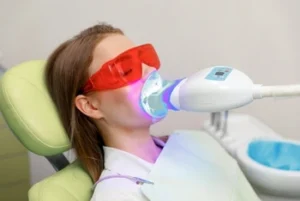 Professional In-Chair Whitening
This procedure, performed in a dental chair, involves applying a concentrated bleaching gel containing hydrogen peroxide or carbamide peroxide. Sometimes, a special light or laser is used to enhance the whitening process. Results are usually immediate and noticeable after a single visit.
Take-Home Whitening Kits from Your Dentist
Your dentist can design personalised trays for you to use in the comfort of your home. These kits contain professional-grade whitening gel, but at a lower concentration than in-chair treatments. You’ll typically wear the trays for a few hours each day over one to two weeks.
Over-the-Counter Whitening Products
These include whitening strips, gels, or toothpaste available in stores. While they can help remove surface stains, they’re less effective at lightening deep discolouration. Whitening toothpaste with mild abrasives or small amounts of peroxide may help maintain professional whitening results.
Natural and At-Home Methods
Some individuals use baking soda or activated charcoal to whiten their teeth naturally, though frequent use can be abrasive and potentially damaging. They might remove surface stains, but can also wear down tooth enamel, leading to sensitivity or damage if overused. Always consult your dentist before trying natural whitening remedies.
Managing Tooth Sensitivity During Whitening
Tooth sensitivity is one of the most common side effects of whitening treatments. The bleaching gel temporarily makes the enamel more permeable, exposing the inner layers of the tooth.
If you notice sensitivity, use toothpaste formulated for sensitive teeth and steer clear of very hot or cold foods for a few days. Your dentist may also suggest spacing out whitening sessions or using a lower concentration of peroxide to reduce discomfort.
Using fluoride toothpaste or fluoride mouthwash can strengthen enamel and protect against further sensitivity after whitening procedures.
How to Maintain Your Whitening Results
Teeth whitening isn’t permanent, but you can extend the effects significantly with proper care.
- Practise good oral hygiene: Brush twice a day, floss daily, and rinse after meals.
- Limit staining foods and drinks: Cut back on coffee, tea, cola, and red wine. If you do consume them, rinse your mouth with water afterwards.
- Avoid smoking: Tobacco causes persistent tooth discolouration.
- Use whitening toothpaste occasionally: It helps remove new surface stains.
- Stay hydrated: Drinking plenty of water throughout the day keeps your mouth clean and helps wash away pigments.
- Attend regular dental check-ups: Routine cleanings remove plaque and tartar that can dull your smile.
- Schedule touch-up treatments: Ask your dentist about maintenance whitening sessions every 6–12 months to refresh your results.
Professional Whitening vs Home Kits: Which Is Better?
 Professional whitening is usually more effective and longer-lasting than home kits since dentists use stronger bleaching agents in a controlled setting. Home teeth whitening kits can still offer good results, but require discipline and consistency. The results largely depend on the product’s quality and how carefully you follow the application instructions.
If you’re unsure which whitening method suits you, it’s better to consult a dental professional. They can assess your oral health, tooth colour, and level of staining before recommending the most appropriate and effective whitening option for you.
Can Whitening Damage Teeth?
When performed correctly, teeth whitening is generally low-risk. However, misuse of whitening products or overexposure to strong bleaching gels can damage tooth enamel or irritate the gums.
Always follow professional advice and avoid over-the-counter kits that lack safety certification. Whitening treatments supervised by a dentist are reliable and more predictable, minimising the risk of tooth sensitivity or uneven whitening results.
Wrapping It Up: Keeping Your Smile Bright for Longer
So, is teeth whitening permanent? The answer is no, but that doesn’t mean your whiter smile will fade overnight. By practising good oral hygiene, avoiding stain-causing foods, and following your dentist’s maintenance plan, you can enjoy brighter teeth for years.
Professional teeth whitening offers reliable, noticeable results, and when combined with healthy lifestyle habits, it can keep your smile shining for longer. If you’re thinking about whitening your teeth, schedule a consultation with Finesse Dental at (02) 8806 0790 to explore the most effective whitening procedures for your needs and achieve a long-lasting, whiter smile.
References
Cleveland Clinic. (n.d.). Oral hygiene. Retrieved from https://my.clevelandclinic.org/health/treatments/16914-oral-hygiene
NHS. (n.d.). Teeth whitening. Retrieved from https://www.nhs.uk/tests-and-treatments/teeth-whitening/
Healthline. (n.d.). Foods that stain teeth. Retrieved from https://www.healthline.com/health/foods-that-stain-teeth