

Choosing the right method to achieve a straighter smile is a significant decision. With advancements in dental technology, more people are considering discreet and flexible solutions for their orthodontic treatment. Invisalign continues to gain popularity, especially among adults looking for comfort, aesthetics, and convenience. But while it may seem appealing, many still wonder if it delivers on its promises. Is Invisalign worth it? Before starting any dental treatment, it’s important to understand what Invisalign offers across appearance, function, cost, and health outcomes. This guide breaks it all down so you can decide with confidence.
What Is an Invisalign?
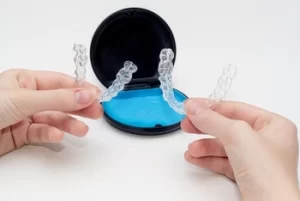
With Invisalign, your teeth are repositioned in small steps using custom-made plastic aligners that are changed out regularly. This method works well for people with misaligned teeth, helping them gradually move into better alignment with a personalised plan.
What Are the Practical Health Advantages of Invisalign?
While Invisalign is often praised for its discreet appearance, the health-related benefits are just as important. Below, we look at some of the key benefits of Invisalign aligners and how they can improve not just your smile but also your comfort and overall oral health.
Supports Long-Term Oral Health
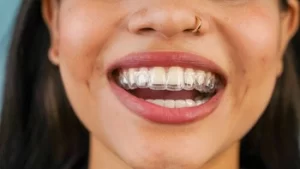 Clear aligners improve access to all areas of your mouth, helping to reduce plaque buildup over time. This contributes to fewer cavities and a lower risk of gum disease. Removable aligners allow for better care routines, which support lasting oral wellness. A clean environment reduces the chance of bacteria affecting your teeth and gums, helping you maintain good oral health throughout the treatment. For patients focused on long-term prevention, this advantage is especially valuable.
Improves Bite and Jaw Function
Correcting bite issues can do more than enhance appearance. When your bite is properly aligned, it eases pressure on the jaw and prevents uneven tooth wear. Invisalign helps guide your teeth into the desired position, improving how they meet when you chew. This can reduce discomfort caused by stress on the jaw. Patients often report better comfort during daily activities like eating or speaking.
Reduces Irritation and Soft Tissue Damage
Wearing braces can sometimes cause cuts or irritation on the inside of the lips and cheeks. Invisalign clear aligners are made from smooth plastic, designed to sit comfortably without rubbing against soft tissue. This results in fewer mouth sores and greater comfort, especially in the early stages of treatment. Invisalign aligner trays are more tolerable for people sensitive to rough surfaces. Comfort plays a big part in how successful a patient is with aligner use.
Makes Oral Hygiene Simpler
Because aligners are removable, you don’t need special tools to clean your teeth. You can use a soft toothbrush and standard floss to keep your teeth clean. This supports your goal to maintain good oral hygiene throughout the treatment and encourages consistent dental care at home. Unlike regular braces, there are no wires to trap food or cause stains. It’s also easier to keep aligners clean, reducing odour or cloudiness.
What Does Invisalign Really Cost You?
Here, we explore the financial commitment, value for money, and how it compares to other orthodontic options.
Factors That Influence the Total Cost
The total cost of Invisalign depends on how complex your case is and how long your treatment lasts. If you need multiple Invisalign trays or a longer treatment time, that can raise the price. Other factors include the experience of the dental provider and where you’re located. Your dentist will evaluate your unique dental needs and provide an exact treatment plan. These personal details shape your final quote.
Comparing Invisalign to Other Options
Some people assume Invisalign cost is far higher than regular braces. In reality, it is often similar to what you would pay for traditional braces or ceramic braces. When comparing costs, it’s worth weighing up the convenience of removable aligners and fewer clinic visits. Unlike conventional braces, Invisalign requires fewer trips for adjustments. For those who value their time, the difference becomes significant.
Payment Plans Make It More Accessible
Many clinics, including ours, offer flexible payment options that allow you to spread the cost over several months. This can make Invisalign treatment more accessible without affecting your budget dramatically. Some providers also offer interest-free plans or in-house financing. A consultation can help you understand available plans upfront. These options make it easier for many adults to commit to Invisalign.
Considering the Value, Not Just the Price
The cost of Invisalign includes more than just aligners. It often covers digital scans, the aligner system, review appointments and a final retainer. You also get a custom made treatment approach that matches your needs. Invisalign worth comes from the blend of technology, comfort, and predictable results. Many adults consider it a worthwhile investment in both appearance and health.
Insurance and Health Fund Support
Invisalign treatment may be covered partially by private health insurance if you have orthodontic treatment included in your policy. Reviewing your health insurance can help clarify what expenses may be reimbursed. Some patients use this to offset the initial cost or help manage payments. Documentation from your dental provider can help with the claims process. You can ask about rebates during your consultation for clarity.
What Is the Full Invisalign Journey Like from Start to Finish?
 Your First Appointment and Assessment
The journey begins with an initial exam and a 3D scan of your teeth. This scan helps create a digital map of your bite and tooth alignment. From here, your dentist builds your treatment plan. You’ll get a visual preview of how your teeth will move. This helps you see the projected desired results from the beginning.
Wearing Your Aligners Consistently
Once treatment starts, it’s essential to wear the aligners regularly, usually 22 hours a day. Aligners are removed only for eating and cleaning. Keeping them in for the full recommended time helps move your teeth closer to the teeth perfectly aligned. Skipping time can delay progress. Discipline is key in making sure the Invisalign work stays on track.
Managing Everyday Life with Invisalign
Adjusting to aligner use takes time but becomes second nature. Because aligners are removable, brushing and flossing remain simple. There are no food restrictions, unlike braces with metal brackets or metal wires. You just remove your aligners before meals and rinse before placing them back in. It’s important to clean your teeth after eating to keep aligners clear.
Monitoring Progress and Making Adjustments
Your dentist will check your progress every few weeks. These visits allow for minor adjustments or refinements if needed. New aligners are issued as your teeth move into new positions. The average treatment time varies depending on the case, but many fall between 6 to 18 months. Progress is tracked with digital tools, helping keep things on course.
Retainers and Post-Treatment Care
Once your teeth straightening ends, you’ll be given a retainer to help maintain your results. This is crucial to stop your teeth from shifting back. Your provider will guide you on when and how to wear it. Wearing your retainer as instructed protects your investment. It also helps your teeth settle into their new positions permanently.
Staying Committed to Oral Health
Throughout your treatment, focusing on brushing and flossing supports success. Clean aligners and clean teeth go hand in hand. Regular check-ups help address any severe and complex cases before they grow into major problems. Invisalign may be easier than braces in some ways, but it still requires care. Patients who stay committed often enjoy a smooth experience and lasting results.
Book Your Invisalign Consultation With Confidence
 If you’ve been wondering whether Invisalign is worth it, the answer depends on your goals, lifestyle, and dental priorities. From a health and comfort perspective, Invisalign clear aligners offer flexibility, effectiveness, and improved daily habits. They suit many adults dealing with moderate orthodontic issues or crooked teeth, offering a modern and discreet way to straighten teeth. Unlike traditional metal braces or metal braces, Invisalign aligners are virtually invisible, making them a more comfortable choice for those who value subtlety. When comparing treatment option benefits, convenience, and results, many feel confident in choosing Invisalign. To find out if you’re a suitable candidate, call our clinic today on (02) 8806 0790 and book your consultation. We’ll walk you through your exact treatment plan and help you achieve a beautiful smile.
References
https://www.colgate.com/en-in/oral-health/adult-orthodontics/what-do-invisalign-braces-cost-are-they-worth-it-0113
https://pubmed.ncbi.nlm.nih.gov/30264270/