

When considering orthodontic treatment to straighten teeth, many people are drawn to the subtle appearance of clear braces. Whether you’re an adult seeking a discreet solution or a teenager who’s self-conscious about metal braces, clear braces, often made from ceramic brackets, are a popular alternative to traditional metal braces. And while options like Invisalign offer a removable approach, clear braces remain a go-to for those needing fixed appliances. But one common concern arises: do clear braces stain?
In this article, we’ll explore how and why clear braces might stain, what components are most at risk, and most importantly, how to prevent stains while maintaining your beautiful smile throughout your orthodontic journey.
What Are Clear Braces?
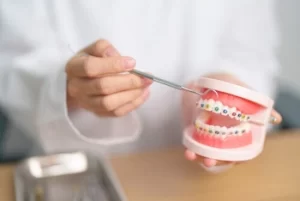 Clear braces are a type of orthodontic treatment that uses tooth-coloured or transparent components to move misaligned teeth into their ideal position. They typically feature ceramic brackets or clear ceramic brackets bonded to the tooth surface, paired with archwires and sometimes clear elastics.
Clear ceramic braces blend in with your natural teeth, offering a more visually discreet alternative to the highly noticeable look of traditional metal braces. While they function similarly to regular braces, their materials can be slightly more delicate and prone to certain types of discolouration.
So, Do Clear Braces Stain?
The short answer is that they can, but not always. Several parts of clear braces can stain under specific conditions:
- Elastic bands (ligatures): These are the most likely to stain, especially when exposed to certain foods or drinks. They’re usually replaced during adjustment appointments.
- Ceramic brackets: These are generally stain-resistant, but over time, poor oral hygiene or exposure to deeply pigmented substances can lead to minor discolouration.
- Adhesive and bonding agents: The glue that holds the brackets can sometimes yellow or discolour, though this is less noticeable than staining on the brackets themselves.
It’s important to understand that clear braces stain mostly due to external factors, meaning proper care can significantly reduce the risk.
Foods and Beverages That Commonly Lead to Staining
Some foods and drinks are notorious for staining both natural teeth and orthodontic appliances. When wearing clear braces, it’s wise to limit or avoid the following to prevent stains:
- Drinking coffee and dark sodas
- Red wine
- Tomato sauce, soy sauce, and curries
- Dark fruits like blueberries, blackberries, and cherries
- Sticky foods and hard foods that may break elastics or get trapped around brackets
Even if you don’t eliminate these entirely, rinsing your mouth or brushing your teeth soon after consumption can help keep your braces clean and reduce discolouration.
The Role of Proper Oral Hygiene
Maintaining proper oral hygiene is critical when wearing braces, and even more so with clear ceramic brackets. Here’s what many dentists recommend to help prevent staining and keep your teeth clean:
- After each meal, brush your teeth with a soft-bristled toothbrush and a gentle whitening toothpaste that won’t damage your brackets.
- Make flossing a daily habit to dislodge trapped food particles between your teeth and brackets.
- Clean around your brackets using a water flosser or an interdental brush for improved access.
- Rinse with an alcohol-free mouthwash to protect against gum disease and tooth decay.
This consistent routine not only helps to prevent stains but also contributes to the overall success of your orthodontic treatment.
How Clear Braces Compare to Metal Braces
While metal braces have been the gold standard in orthodontics for decades, clear braces offer several benefits:
- They’re less visible, which makes them a preferred option for people who are self-conscious about their appearance.
- They blend with the colour of natural teeth, offering a more subtle aesthetic.
- They offer the same teeth-straightening results as traditional braces, though they may require slightly more attention when it comes to cleanliness and diet.
That said, traditional braces are less prone to staining, simply because metal brackets don’t change colour and are typically paired with darker elastics that hide discolouration.
Are Clear Aligners a Better Option?
Clear aligners, such as Invisalign, are another alternative to traditional metal braces and ceramic braces. These removable trays are made from plastic and allow patients to eat and brush without obstruction, helping you maintain a cleaner mouth more easily throughout your treatment.
However, clear aligners come with their own limitations. They’re not ideal for every type of misalignment, and success depends heavily on patient compliance, meaning you need to wear them for 20–22 hours a day. Plus, aligners can also discolour if exposed to many foods like dark fruits, red wine, or tomato sauce, especially if you don’t rinse your mouth before putting them back in.
If you’re unsure which treatment options are best for your needs, consulting with your dentist is essential.
Tips to Prevent Staining on Clear Braces
Worried about keeping your braces stain-free? Here are some actionable tips: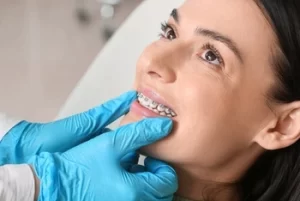
- Avoid stain-prone foods and drinks or consume them in moderation.
- Use a straw for beverages like coffee, soda, or juice to minimise contact with front teeth.
- Brush and floss thoroughly after meals.
- Don’t smoke. Tobacco is one of the worst culprits for discolouration.
- Attend routine dental check-ups and professional cleans to support the health of both your braces and your tooth surfaces.
- Replace elastic bands as advised; many dentists do this during routine visits.
Can Ceramic Braces Work Just as Well?
Absolutely. Ceramic braces work similarly to their metal counterparts in most cases and are suitable for mild to moderate dental issues. They effectively straighten teeth and fix alignment problems while offering a more discreet look. The only trade-off is that they might not be quite as strong as metal braces and often need more caution when eating, particularly with hard or crunchy foods.
Final Thoughts: Are Clear Braces Right for You?
Wearing clear braces can be an excellent option for those looking to correct misaligned teeth without drawing attention to their orthodontic appliance. While they may be more vulnerable to staining than metal braces, this can largely be managed with the right care, mindful dietary choices, and diligent hygiene practices.
If you’re concerned about clear braces staining or want a discreet way to straighten your teeth without compromising your smile, book a consultation with us at Finesse Dental or call (02) 8806 0790. We’re here to help you achieve a confident, healthy result with the right treatment for your needs.
Note: Any surgical or invasive procedure carries risks. Before proceeding, you should seek a second opinion from an appropriately qualified health practitioner.
Resources
Brennan, R. (2023). ‘Tooth Discoloration’. WebMD, 4 April. New York, NY: WebMD LLC.
https://www.webmd.com/oral-health/tooth-discoloration
National Institute of Dental and Craniofacial Research. (2024). ‘Tooth Decay’. NIDCR, December. Bethesda, MD: U.S. Department of Health and Human Services.
https://www.nidcr.nih.gov/health-info/tooth-decay#:~:text=Tooth%20decay%20begins%20when%20bacteria,infection%2C%20and%20even%20tooth%20loss.