

If you’ve had a tooth removed and later noticed a strange white substance at the extraction site, or even that it fell out without any pain, it’s understandable to feel uncertain or even alarmed. Is it a sign that something’s wrong? Or could this be part of your body’s normal healing process?
In this blog, we’ll walk you through everything you need to know about post-extraction healing: what that white stuff is, why it might fall out, and when to be concerned. We’ll also explore the role of granulation tissue, how to protect your healing site, and how to distinguish normal healing from complications like dry socket.
What Is the White Stuff After a Tooth Extraction?
After a tooth extraction, it’s common to notice a white or creamy substance forming in the extraction site. This often isn’t a sign of infection or something gone wrong. In fact, in most cases, it’s a normal part of the healing process.
So, what is it?
It could be one of the following:
- Granulation tissue: A layer of protective tissue made up of white blood cells, blood vessels, collagen, and fibroblasts that your body produces to fill and heal the tooth socket.
- Fibrin: A protein involved in blood clotting. This can sometimes appear white or yellowish as it covers the healing site.
- Food debris: If you haven’t rinsed properly, trapped food particles might mimic granulation tissue or appear as a white material.
- Pus: In rare cases, it could be white or yellow pus, indicating an infection. This is usually accompanied by pain, bad taste, or swelling.
Granulation Tissue: Your Body’s Healing Blanket
When a tooth is pulled, the body immediately starts repairing the area. After the blood clot forms, granulation tissue develops to protect the wound and support new tissue growth. This delicate tissue can appear white, cream-coloured, or even yellowish-grey.
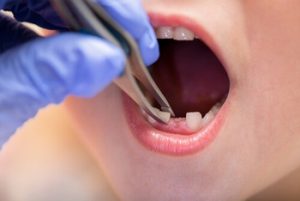 Don’t worry if this white tissue looks odd. It’s not only normal, but also vital to recovery.
Granulation tissue plays an essential role in the following:
- Protecting the socket from bacteria and irritation
- Supporting the growth of new gum tissue
- Sealing off exposed bone and nerves
The presence of this tissue indicates the socket heals properly, especially if there’s no severe pain, bad breath, or continued swelling.
What If the White Stuff Falls Out But There Are No Symptoms?
You may have noticed that the white stuff fell out of your extraction site, but surprisingly, you’re not experiencing any discomfort. If that’s the case, there’s a good chance the healing is simply progressing, and the granulation tissue was replaced by more mature layers of tissue beneath.
In some cases, the top layer may naturally slough off. This does not always require intervention, as long as:
- There is no discomfort
- There is no bad taste in your mouth
- There is no mouth bleeding
- You don’t see exposed bone
- There are no other signs of infection or complications
But Could It Be Something More Serious?
While a white or yellow substance might be normal, certain warning signs point to complications:
Dry Socket
One of the most common complications after oral surgery is dry socket. This occurs when the blood clot is dislodged or never forms, leaving the extraction area vulnerable. Without that protective layer, bone and nerves are exposed, leading to a painful condition that usually begins a few days after the tooth extraction procedure.
Symptoms of dry socket include:
- Sudden or worsening pain at the healing site
- Pain radiating to your ear or jaw
- A visible empty socket or exposed bone
- Unpleasant taste or bad breath
- Lack of normal white tissue
If you’re experiencing any of these, contact your dentist immediately.
What Should a Normal Healing Socket Look Like?
As the mouth heals, it goes through several visible phases. Here’s a simplified timeline: 
- Day 1–2: A blood clot forms over the tooth socket
- Day 2–4: The site begins forming granulation tissue
- Day 5–7: The tissue thickens, appearing white or cream
- 1–2 weeks: The socket continues healing; white stuff may dissolve or shed
- 3–4 weeks: New gum tissue closes over the site
If you had your wisdom teeth removed or another tooth extracted, this process may be slightly slower or involve more swelling, especially if multiple tooth extractions were done.
Factors That Can Interfere with Healing
While the body generally handles healing well, some things can disrupt this balance:
- Smoking: Delays healing and increases dry sockets
- Poor oral hygiene: Increases infection risk
- Dislodging the clot: By spitting, rinsing, or drinking through a straw
- Touching the area: With your tongue or fingers
- Hard or crunchy foods: May irritate the fragile tissue
Avoid these actions to ensure your healing process stays on track.
When to Call Your Dentist
Even if you’re not feeling pain, some symptoms should prompt a call:
- Notice white material turning yellow or green
- White stuff replaced by a hollow-looking socket
- Sudden gum inflammation or continued swelling
- Foul odour or bad taste
- Any mouth bleeding that doesn’t stop
- Development of mouth ulcers or other symptoms
These could signal a common complication, socket white pus, or the beginnings of an infection.
How to Support a Smooth Healing Process
Taking good care of the extraction site will help ensure proper healing. Here’s what you can do:
1. Follow Aftercare Instructions
Your dentist should provide specific instructions after your tooth is removed. Follow these closely, especially for wisdom teeth extracted, which take longer to heal.
2. Rinse with Warm Salt Water
After the first 24 hours, gentle rinses with warm salt water can help keep the extraction site clean without irritating the delicate tissue.
3. Eat Soft Foods
Stick with soft foods like yoghurt, mashed vegetables, soups, and smoothies for the first few days. Avoid seeds, nuts, chips, and anything that could disturb the clot.
4. Maintain Good Oral Hygiene
Brush gently around the healing site, but avoid direct contact. Keeping your mouth clean reduces the risk of food particles causing irritation or infection.
5. Avoid Alcohol and Tobacco
These can irritate the gum tissue, increase excessive bleeding, and delay healing.
When the White Stuff Falls Out: Healing or Hazard?
It can be unnerving to notice white tissue fall away from your tooth extraction site, especially if no pain follows. But before assuming the worst, it’s important to understand what your body is doing during each stage of the healing process.
In most cases, the white stuff is called granulation tissue, which is a mix of blood vessels, white blood cells, and structural proteins like collagen. This fragile tissue appears early in the recovery phase and plays a central role in sealing the extraction site, warding off bacteria, and rebuilding the surrounding gum tissue.
When that tissue loosens or sheds without signs of severe pain, bad breath, mouth bleeding, or yellow pus, it’s usually a normal part of your body’s response. In fact, granulation tissue plays only a temporary role in socket repair. Once its job is done, the body’s healing process continues underneath, forming stronger, more permanent layers.
That said, there are rare cases where its loss could expose bone and nerves, especially if the blood clot is dislodged too early. To distinguish between normal healing and a common complication like dry socket, pay attention to what you’re not feeling. A smooth recovery generally has:
- No throbbing or painful condition
- No foul taste in your mouth
- No noticeable exposed bone or visible socket void
- No signs of gum inflammation or continued swelling
If you’re not experiencing pain, there’s likely no cause for concern.
What to Expect If You Have Wisdom Teeth Extracted
 If your wisdom teeth were removed, you might see larger areas of white tissue, especially if multiple tooth extractions occurred in one session. The wisdom teeth extraction area typically has a broader tooth socket and may take longer to fully close.
For wisdom teeth extracted, it’s common to see a lingering whitish colour around the back molars. Don’t panic; this is often part of the late stages of healing. But if you also notice yellow pus, a change in smell, or a sudden bad taste, seek a review from your dentist. These could indicate socket white pus or infection starting to form.
The takeaway: Whether you had a front tooth pulled or multiple wisdom teeth removed, the appearance and eventual shedding of white tissue can be a normal part of the process, as long as it’s not paired with experiencing pain or other alarming symptoms.
What If You See White Stuff Weeks Later?
Even several weeks after a tooth was pulled, you may still notice a whitish colour in the area. This is often normal healing and may include:
- Final stages of granulation tissue
- Scar-like tissue forming at the surface
- Keratinised gum rebuilding
If there’s no pain, swelling, or bad taste, it’s usually nothing to worry about.
Final Thoughts
If you’ve noticed that the tooth extraction white stuff fell out and there’s no pain, you’re likely still in the safe zone. In most cases, it’s simply part of your body’s response to healing. Granulation tissue, white blood cells, and other agents are working together to restore the site where your tooth was removed.
But it’s always smart to stay alert. If the white material looks unusual, you develop severe pain, or there are signs of white or yellow pus, reach out to your dentist.
With the right knowledge and proper care, most post-extraction white tissue changes are nothing to worry about. But if you’re concerned about whether your healing is on track or want reassurance from a professional, book a consultation with us at Finesse Dental or call (02) 8806 0790.
Note: Any surgical or invasive procedure carries risks. Before proceeding, you should seek a second opinion from an appropriately qualified health practitioner.
Resources
Dunkin, M. A. (2023). ‘Pulling a Tooth (Tooth Extraction)’. WebMD, 30 March. New York, NY: WebMD LLC. https://www.webmd.com/oral-health/pulling-a-tooth-tooth-extraction
Gordon, J. P. (2023). ‘Dry Socket’. Healthline, 25 April. San Francisco, CA: Healthline Media. https://www.healthline.com/health/dental-and-oral-health/dry-socket
Cleveland Clinic (2022). ‘Oral Hygiene’. Cleveland Clinic, 21 April. Cleveland, OH: Cleveland Clinic. https://my.clevelandclinic.org/health/treatments/16914-oral-hygiene