

Home teeth whitening has become a popular way to brighten a smile without visiting a clinic. Many people choose home whitening because it fits easily into daily routines, feels more relaxed and allows gradual changes over time. When done correctly, home teeth whitening can help whiten teeth, reduce visible stains, and support a noticeably whiter appearance while remaining gentle on teeth and gums.
This guide explains how home whitening works, what to expect from a teeth whitening kit and how to achieve effective results while keeping your mouth comfortable.
Why So Many People Choose Home Whitening
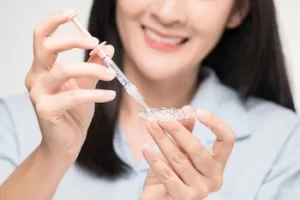 Home whitening appeals to people who want flexibility and control. Using a whitening kit at home lets you whiten your teeth once a day or a few times a week, depending on the instructions and your personal comfort. Results tend to appear gradually over the course of weeks, which many people find reassuring.
Home teeth whitening is often chosen by people who want a whiter smile without fast results that may feel intense. The steady whitening effect can feel more manageable, especially for those with sensitive teeth.
How Home Teeth Whitening Works
Home teeth whitening works by using a whitening treatment that targets stains on and within the teeth. These stains often develop over time from food, drinks and everyday habits. When used as directed, home whitening can help whiten your teeth gradually while fitting comfortably into daily routines.
The Role of Whitening Gel and Peroxide
Most home whitening treatments use a peroxide-containing whitening gel. This may be hydrogen peroxide or carbamide peroxide. These ingredients work by breaking down stains on the tooth surface and within the enamel.
Carbamide peroxide breaks down more slowly, which is why it is commonly used in home whitening products. Hydrogen peroxide works faster but is often used in lower concentrations for home use. Both aim to whiten your teeth while supporting long-lasting results when used correctly.
How Trays, Strips and Kits Are Used
A teeth whitening kit may include trays, whitening strips or a small applicator. Trays are worn over teeth and hold the gel in place. Whitening strips are thin and flexible, sticking directly to the teeth. Some kits also include an LED device designed to activate the gel and support a brighter outcome.
Each kit works slightly differently, but the goal is the same. Keep the whitening gel in contact with teeth for a set time so stains can lift and teeth gradually appear whiter.
Understanding What Results to Expect
Home whitening does not usually deliver fast results in a single session. Instead, most people notice changes over the course of weeks. Teeth may look brighter at first, then develop a more even, whiter smile as treatment continues.
Results vary depending on the type of stain, how often the kit is used, and how well the instructions are followed. Some people achieve noticeably whiter teeth, while others see a subtle but meaningful improvement that helps them feel more confident when they smile.
 Managing Sensitive Teeth During Home Whitening
 Managing Sensitive Teeth During Home Whitening
Sensitivity is one of the most common experiences during home teeth whitening. For many people, it feels like a brief, sharp response when drinking cold water or breathing in cool air. Understanding why this happens and how to manage it can help you continue whitening comfortably and protect your gums and teeth.
Why Sensitivity Can Occur
Sensitivity is one of the most common concerns during teeth whitening. Whitening gel can temporarily affect how teeth respond to cold water, air or brushing. This sensitivity usually fades once treatment pauses or finishes.
People with sensitive teeth may notice discomfort during the early stages of home whitening, especially if the treatment is used too often.
Tips to Stay Comfortable
To reduce discomfort, follow instructions carefully and avoid overusing the whitening kit. Using the treatment once a day or less may help. Gentle brushing, rinsing with lukewarm water and avoiding very cold water during treatment periods can also help.
If sensitivity occurs, taking a short break of a few days often allows teeth and gums to settle. Many people report feeling comfortable again once their mouths have adjusted.
Daily Habits That Support Whiter Teeth
Home teeth whitening works best when combined with good oral habits. Brushing twice daily helps remove surface stains and supports the whitening effect. Rinsing after meals can help reduce new staining, while gentle flossing helps keep gums healthy and prevents irritation during treatment.
Avoiding heavily staining foods and drinks during whitening weeks can also help maintain results. This allows the whitening treatment to focus on lifting existing stains rather than fighting new ones.
How Long Do Home Whitening Results Last
Results from home whitening can last for months when oral hygiene is maintained. Long-lasting results depend on daily habits, diet and how well teeth are cared for after treatment.
Some people choose to repeat home whitening once or twice a year to maintain a brighter smile. Using the kit occasionally for touch-ups can help preserve whiter teeth without restarting the full treatment.
Is Home Teeth Whitening Right for Everyone
Home whitening suits many adults with healthy teeth and gums. It is often recommended for people who want gradual whitening and prefer a treatment they can manage themselves. Dentists often suggest home whitening for mild to moderate stains or for maintaining results after professional treatment.
However, whitening may not be suitable for everyone. Teeth with restorations, gum issues or untreated decay may need assessment before starting. Consulting dentists before beginning any whitening treatment helps ensure the approach is appropriate and comfortable.
Comparing Home Whitening With Other Options
Home whitening offers flexibility and a more relaxed pace compared with in-chair treatments. While some people look for the best teeth whitening kit available, the most important factor is using the kit correctly and consistently.
Professional whitening treatments may deliver fast results, while home teeth whitening focuses on steady improvement. Both can be effective depending on personal goals, sensitivity levels and lifestyle.
Keeping Your Smile Bright After Whitening
 Keeping Your Smile Bright After Whitening
After finishing home whitening, maintaining results becomes the focus. Regular brushing, careful rinsing and healthy habits help preserve the whitening effect. Drinking water after meals and limiting foods that cause stains can make a noticeable difference.
With consistent care, many people enjoy a brighter, whiter smile for months. Home teeth whitening can be a practical and approachable way to achieve a confident smile while keeping comfort and control at the centre of treatment.
Final Thoughts on Home Teeth Whitening
Home teeth whitening offers a simple and flexible way to whiten teeth at your own pace. Using a well-designed whitening kit, following instructions and paying attention to sensitivity can help achieve effective results without unnecessary discomfort.
When combined with good oral hygiene and mindful habits, home whitening can support a brighter smile and help you feel more confident every time you smile.
If you are experiencing ongoing discomfort or want personalised guidance, booking a consultation with Finesse Dental on (02) 8806 0790 can help you understand what is happening with your teeth and how to continue whitening in a way that feels comfortable and appropriate for your smile.
References
Sung, J. (2025, June 18). The best teeth whitening kits to use at home, according to experts. Forbes. https://www.forbes.com/sites/forbes-personal-shopper/article/best-teeth-whitening-kit/
NHS. (n.d.). Teeth whitening. NHS. https://www.nhs.uk/tests-and-treatments/teeth-whitening/
Cleveland Clinic. (2025). Sensitive teeth: Causes, treatment & prevention. https://my.clevelandclinic.org/health/symptoms/10954-teeth-sensitivity