

If you’ve been told you need your wisdom teeth removed, one of your first thoughts was probably: Does wisdom teeth removal hurt? It’s a natural question, especially if you’ve never had a surgical dental procedure before.
Wisdom teeth, also known as third molars, usually appear between the ages of 17 and 25. For some people, these teeth erupt without issue. But for many others, wisdom tooth extraction becomes necessary due to pain, overcrowding, or complications like tooth decay or infection. If you’re feeling anxious about what to expect, this guide will outline what happens before, during, and after the procedure so you can feel better prepared.
Why Do Wisdom Teeth Need to Be Removed?
Not everyone needs their wisdom teeth removed. However, if there’s not enough space for them to erupt properly or they grow in at the wrong angle, they can cause problems for surrounding teeth and gums.
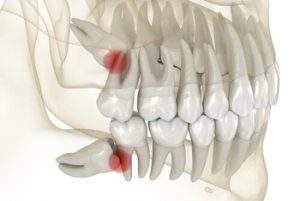 Here are some common reasons for wisdom teeth removal:
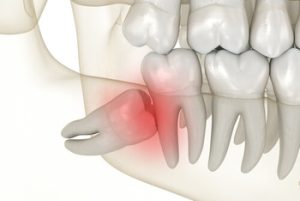
- Impacted wisdom teeth (when the tooth doesn’t fully emerge or is trapped in the gum or jawbone)
- Overcrowding that affects other teeth
- Tooth decay due to difficulty cleaning the area
- Gum disease around partially erupted wisdom teeth
- Cysts or damage to the surrounding bone or other teeth
Sometimes, dentists recommend removing wisdom teeth even before symptoms appear to prevent future complications.
Does Wisdom Tooth Removal Hurt During the Procedure?
Let’s get straight to the point: wisdom tooth removal is a surgical procedure, but the actual extraction itself is usually well managed with appropriate techniques. Your dentist will use local anaesthesia, sedation, or general anaesthesia to help keep you comfortable throughout the procedure.
The level of anaesthesia depends on:
- How many wisdom teeth you’re having removed (some people remove all four wisdom teeth in one session)
- Whether the teeth are impacted or fully erupted
- Your personal comfort or anxiety levels
During the procedure, you may feel pressure or movement in the dental chair, but you should not feel pain. In complex cases involving oral and maxillofacial surgery, your dentist may recommend general anaesthesia.
What About After the Anaesthetic Wears Off?
Here’s where some discomfort can occur. Once the anaesthetic wears off, it’s normal to experience mild discomfort, tenderness, and some swelling around the extraction site. However, with proper pain management, the experience is usually manageable.
What Does the Pain Feel Like?
Pain after wisdom teeth removal surgery varies between individuals. Some people feel nothing more than mild soreness, while others may have severe pain, especially if there were complications during surgery or if blood clots don’t form properly.
Generally, discomfort peaks around 1–3 days post-surgery and gradually improves from there. Discomfort is commonly reported as a dull ache or throbbing sensation in the jaw. Pain in the adjacent teeth or mild ear pain can also happen temporarily due to pressure changes in the jaw.
The Importance of Blood Clots
One of the most critical parts of the healing process involves the formation of a blood clot in each extraction site. These blood clots protect the exposed bone and nerves and begin the process of tissue regeneration.
Should the blood clot become loose or break down too soon, a condition known as dry socket can occur. This is more painful and delays healing. It’s one of the most common complications after wisdom tooth extraction.
How to Prevent Dry Socket
- Don’t eat hard or crunchy foods
- Avoid spicy foods
- Refrain from using straws or spitting forcefully
- Follow your dentist’s instructions
- Avoid smoking or vaping
What Can You Do to Manage the Pain?
Every individual has a different pain threshold, but most people find over-the-counter pain relief medications like ibuprofen or paracetamol effective. If your discomfort is more intense, your dentist may prescribe stronger pain medication.
 You may also be given a cold compress or ice packs to reduce swelling and numb the area during the first 24 to 48 hours. Apply the packs in 20-minute sessions, always wrapped in a clean towel to avoid frostbite on the skin.
Other methods to improve comfort include:
- Keeping your head elevated while sleeping
- Pressing lightly with gauze can help manage bleeding
- Avoiding extreme temperatures in food and drink
How Long Does Recovery Take?
The majority of patients heal from wisdom tooth removal within 7 to 10 days. That said, healing times can vary based on how many teeth were removed, how difficult the extraction was, and how well you follow aftercare instructions.
If you had four wisdom teeth removed at once or required a more complex surgical procedure, you may experience swelling, stiffness, and discomfort for at least a week or more.
Stages of Recovery
Here’s how your healing typically unfolds:
- First 24 Hours: Bleeding and swelling are normal. Keep pressure on the gauze pad and rest.
- Day 2–3: Swelling peaks; bruising may appear. Continue using ice packs.
- Day 4–7: Pain decreases, and you can begin gentle rinsing with warm salt water.
- After One Week: Stitches (if non-dissolvable) may be removed. Most swelling should subside.
- Two Weeks: Most people return to normal eating and oral hygiene routines.
Always attend your follow-up appointment to ensure your extraction sites are healing as expected.
What to Eat After Wisdom Teeth Removal
Your mouth will be sore and tender, so a soft diet is crucial in the early days. Eating soft foods helps you avoid disturbing the blood clot or irritating the gum tissue.
Recommended foods include:
- Mashed potatoes
- Yoghurt
- Smoothies (without a straw)
- Soup (lukewarm, not hot)
- Scrambled eggs
- Soft pasta
Avoid spicy foods, hard or crunchy items, and anything too hot or acidic. As your healing process progresses, you can slowly reintroduce normal foods.
When to Call Your Dentist
While some discomfort is expected, certain symptoms may signal a complication. Call your dental clinic if you experience:
- Severe pain that worsens after 3 days
- A bad taste that won’t go away
- Pus or discharge from the extraction site
- Swelling that gets worse
- Difficulty opening your mouth
- Numbness (possible sign of nerve damage)
Your experienced dental team will evaluate your situation and may suggest further treatment or stronger pain relievers.
Is Wisdom Tooth Removal Painful for Everyone?
No, pain levels vary. Some patients bounce back quickly and describe it as less painful than expected. Others, especially those with impacted wisdom teeth or underlying conditions like gum disease, might experience more discomfort during the recovery process.
Factors that influence pain and healing include:
- The angle of eruption (especially if the wisdom tooth is growing at the wrong angle)
- Whether the tooth is above the gumline or buried beneath it
- If the blood clot forms properly
- Your overall oral hygiene and immune health
How Many Wisdom Teeth Do You Have?
Most people have four wisdom teeth. Two on the top and two on the bottom. However, some have fewer or none at all. If you’re unsure, your dentist can confirm via a dental X-ray.
Who Should Perform Wisdom Tooth Removal?
If the procedure is simple and the teeth are fully erupted, a general dentist may be able to perform the tooth removal. More complex cases may require additional care to avoid complications like nerve damage or sinus issues. In some situations, procedures may be carried out under general anaesthesia, especially when the case is more involved.
Tips for a Smooth Recovery
Keep these guidelines in mind during recovery:
- Follow your dentist’s instructions exactly.
- Take your prescribed pain medication on schedule.
- Apply an ice pack as directed.
- Maintain a soft diet and stay hydrated.
- Try not to disturb the extraction area with your tongue or fingers during the initial healing phase.
- Do not use dental floss near the surgical area until healing is complete.
- Take it easy and steer clear of heavy activity for a minimum of 48 hours.
What Happens If You Don’t Remove Wisdom Teeth?
It’s not uncommon for people to delay or avoid wisdom tooth removal, especially when there’s no current pain. But just because a wisdom tooth isn’t bothering you now doesn’t mean it won’t cause issues later. In fact, leaving problematic or impacted wisdom teeth untreated may lead to significant oral health complications over time.
When wisdom teeth don’t have enough room to erupt properly, they may grow sideways, partially emerge through the gums, or remain trapped within the jaw. These scenarios can affect other teeth, increase the risk of gum disease, or lead to infections beneath the surface. Even healthy teeth nearby can become compromised as pressure builds or inflammation spreads.
In some cases, a wisdom tooth that appears harmless can silently cause bone damage or push against adjacent teeth, disrupting alignment. Your dentist may recommend preemptive wisdom tooth removal even if you don’t feel discomfort now, simply because the long-term risk outweighs the short-term relief of avoiding the procedure.
If you wait until symptoms develop, complications such as swelling, pain, or cyst formation may make wisdom tooth extraction more complex. This can extend your recovery time, increase the chance of dry socket, or require additional treatment to correct bone or nerve damage.
Is Wisdom Tooth Removal Painful for Older Adults?
 Another concern some people have is whether wisdom tooth removal becomes more difficult or painful with age. While the procedure itself is still manageable, wisdom teeth removal surgery tends to be more complicated in adults because the roots are more fully developed, and the bone is denser. Recovery may also be longer.
For this reason, many dentists suggest addressing problematic wisdom teeth earlier in life, typically during the late teens or early twenties, when the bone is softer and healing is faster.
If you’re wondering, “Does wisdom teeth removal hurt more as an adult?” the answer depends on your individual case. Your dentist will assess factors like tooth position, impaction level, and proximity to nerves to determine the safest approach to remove wisdom teeth with minimal discomfort.
Final Thoughts: Does Wisdom Teeth Removal Hurt?
While wisdom teeth removal is often thought of as painful, thanks to advancements in anaesthesia and technique, discomfort is now far less common both during and after the procedure. With the help of an experienced dental team, most people find the process tolerable, and many say it’s far less painful than they expected.
Yes, there can be mild discomfort, tenderness, or temporary pain, but with proper pain management, the use of ice packs, a soft diet, and close attention to healing guidelines, recovery can be smooth and straightforward.
If you’re still nervous, that’s completely normal. If you’re concerned about pain, healing, or whether wisdom tooth removal is right for you, book a consultation with us at Finesse Dental or call (02) 8806 0790 to speak with a team that takes the time to listen, explain, and guide you at your pace.
Note: Any surgical or invasive procedure carries risks. Before proceeding, you should seek a second opinion from an appropriately qualified health practitioner.
Resources:
Parker Gordon, J. (2023). ‘Dry Socket’. Healthline, 25 April. San Francisco, CA: Healthline Media. https://www.healthline.com/health/dental-and-oral-health/dry-socket
McPhillips, A. (2024). ‘Wisdom Teeth Removal: What Adults Should Expect’. WebMD, 22 July. New York, NY: WebMD, LLC. https://www.webmd.com/oral-health/wisdom-teeth-adult
Kubala, J. (2023). ‘Soft Food Diet: Foods to Eat and Foods to Avoid’. Healthline, 15 March. San Francisco, CA: Healthline Media. https://www.healthline.com/nutrition/soft-food-diet