

Understanding the cost of dental crowns is essential for anyone planning a restorative treatment. Whether you’ve chipped a tooth or undergone root canal therapy, knowing what to expect financially can help you prepare with confidence. Dental crowns serve both functional and cosmetic roles, and their pricing reflects a range of materials, techniques, and patient needs. Costs may differ widely depending on several factors, which we’ll explore in detail below. Learning how different choices affect the overall cost will give you the clarity to make informed decisions. This guide aims to break down every aspect in a simple, easy-to-follow format.
What Is a Dental Crown?
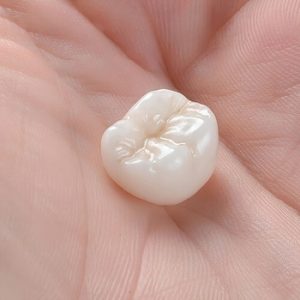
Dental crowns are crafted to encase damaged teeth, helping them regain their structure and appearance. Once set in place, they offer a durable and reliable solution for long-term use.
How Much Does a Dental Crown Cost?
Dental crowns in Australia generally begin at $1,000 per tooth, though prices can differ depending on the tooth being treated and the chosen crown material. To get precise figures, a dental consultation is recommended.
What Factors Affect the Cost of Dental Crowns?
Several details can influence what you end up paying for your crown. Each case is unique, and these elements help determine your final tooth crown cost.
 Type of Material Used
 Type of Material Used
One of the most important factors influencing cost is the material chosen for the crown. Ceramic crowns tend to be more expensive due to their natural appearance and durability. Resin crowns are more affordable but may not last as long as other types. Metal crowns, which include gold or metal alloys, are strong but less common for front teeth due to their appearance. Porcelain crowns offer a balance of strength and aesthetics and are often chosen for their versatility.
Location of the Tooth
Where the crown is placed in your mouth plays a role in pricing. Crowns for back teeth are typically designed to withstand greater chewing forces and may require stronger materials. Front teeth require a more refined aesthetic finish, which may increase the cost due to the precision involved. If you’re replacing a missing tooth in a visible area, you may also prefer a crown with a natural appearance, which can affect cost. Aesthetic preferences and functionality go hand in hand when selecting the right dental crown.
Dentist’s Experience
The experience level of your dentist can impact the overall cost of the treatment. Professional dentists with years of hands-on training and advanced education may charge more for their services. However, many patients value this experience for the added assurance of quality. Choosing a provider who focuses on long-lasting outcomes and detailed care can make a difference in the results. Dentist’s experience often reflects in their ability to tailor treatments to individual dental needs.
Where the Crown Is Made
Some crowns are created in local dental labs, while others are made using advanced technology directly in the clinic. Crowns made in external dental labs may involve additional steps and shipping, slightly increasing the cost. On the other hand, practices that use in-house technology may be able to offer quicker turnaround times. Either option can produce high-quality crowns, but the difference in manufacturing may influence what you pay. The choice between in-lab and in-practice fabrication depends on both timing and budget.
Additional Treatments Required
If your tooth has further decay or has recently undergone root canals, these treatments may add to the final cost. In some cases, a tooth removal or a filling is required before the crown can be placed. A damaged tooth might also need to be reshaped, requiring extra time and resources. The dental crown treatment is often one part of a larger dental plan. These additional steps are necessary to support long-term oral health and the success of the crown procedure.
Type of Dental Practice
Costs may also vary depending on the type of dental provider you choose and the complexity of services they offer. Some clinics offer flexible payment options and payment plans, while others may have higher base fees. The level of personalisation and technology available in the practice can affect pricing as well. A clinic that offers comprehensive dental services might streamline your care, which can sometimes help reduce hidden costs. It’s always a good idea to compare quotes from different providers to understand your options.
What Happens During the Dental Crown Procedure?
Knowing what to expect during the crown procedure helps you feel more comfortable and prepared. Each step plays a part in creating a secure and natural-looking crown.
 The Initial Consultation
 The Initial Consultation
Your first visit begins with a full oral exam and discussion about your concerns. The dentist will assess your existing tooth to decide whether a crown is the right solution. X-rays may be taken to understand the health of the root and surrounding bone. If the tooth has been weakened by damage or decay, this step helps determine the type of crown that will work effectively. The initial consultation is key in setting the direction of your dental treatment.
Tooth Preparation
Once the decision is made to move forward, the next step is preparing the tooth for a crown. A portion of the natural tooth is gently shaped to make room for the crown. This step ensures that the custom crown will fit securely and comfortably over the tooth. The amount removed depends on the material chosen, as some types of dental crowns require more space than others. Tooth preparation is a critical part of ensuring long-term comfort and function.
Temporary Crown Placement
To keep your tooth covered during the wait for your final crown, your dentist will fit a short-term protective crown.
Temporary crowns are designed to be worn for a short period, usually one to two weeks. Although they’re not as strong as the final crown, they help maintain the position of the tooth and prevent discomfort. During this time, it’s important to avoid sticky or hard foods. Your dentist may also advise you to be cautious when brushing around the temporary crown.
Creating the Final Crown
Using impressions or digital scans, the dentist will send your tooth’s measurements to a dental lab. The new crown is shaped to match the colour, contour, and bite of your natural teeth. High-quality crowns are made with attention to both strength and appearance. This step may take a few days or be completed on the same day, depending on the method used. Creating the final crown is where aesthetics and precision come together.
Fitting the Crown
Once your new crown is ready, you’ll return for placement. The dentist will carefully remove the temporary crown and clean the tooth underneath. The permanent crown is then adjusted and checked for fit and bite before being cemented in place. This step is done with great attention to detail to ensure the crown blends seamlessly with surrounding teeth. When properly done, the crown will feel like a natural part of your mouth.
What Are the Benefits of Dental Crowns?
Crowns offer more than just visual improvement. They play a key role in restoring both comfort and function.
Strengthens a Weak or Damaged Tooth
Crowns restore teeth that have become weak or brittle. They protect the tooth from further breakage, especially after a large filling or a previous root canal treatment. This added strength makes everyday tasks like chewing safer and more comfortable. A single crown can make a significant difference in preserving a healthy tooth. It helps the natural tooth last longer by shielding it from additional stress.
Restores Shape and Size
When a tooth is worn down or chipped, a crown brings it back to its original form. A chipped tooth can interfere with your bite and affect how you chew. The crown acts like a custom mould that brings symmetry back to your smile. It also helps nearby teeth maintain their position. The ability to restore form makes it an essential part of many dental treatments.
Improves Aesthetic Appeal
Dental crowns are crafted to blend in with your smile, offering a natural appearance. Porcelain crown options are especially popular for front teeth due to their lifelike look. With a well-matched crown, it’s hard to tell the difference from natural teeth. This helps boost your confidence when speaking or smiling. Many patients appreciate the visual results just as much as the functional ones.
Supports Dental Procedures
Crowns are often used in combination with other dental procedures, such as implants or bridges. They cover the top of implants or help anchor adjacent teeth in a dental bridge. They also play an important role after root canals, adding protection to the treated area. Crowns allow dentists to provide solutions that restore function while maintaining long-term stability. Their adaptability is what makes them so widely used in modern dental care.
Enhances Everyday Comfort
 Once in place, crowns allow you to speak properly and eat without discomfort. They restore chewing forces evenly across the bite, reducing strain on other teeth. Crowns help maintain proper alignment and bite balance, which supports jaw health. For many people, everyday tasks feel more comfortable after receiving the right dental crown. This leads to a marked improvement in quality of life.
Long-lasting with Proper Care
With consistent care, a dental crown can remain in place for many years. Maintaining excellent oral hygiene through daily brushing and routine dental visits plays a key role in extending its lifespan. Crowns made from materials such as zirconia tend to offer strong, lasting performance. It’s also important to avoid putting excess pressure on your teeth, such as biting on hard items or grinding at night. The longevity of your crown depends not only on the material used but also on how well you care for it over time.
Explore Affordable Dental Crown Options Today
The cost of a dental crown can vary widely, but knowing what affects the price helps you plan wisely. From materials and placement to the dentist’s expertise, each element contributes to the overall cost. Crowns offer numerous benefits, from strengthening damaged teeth to enhancing the look of your smile. Whether you’re addressing tooth decay, restoring function, or improving your aesthetic appearance, the right crown can make all the difference.
Your dental health plays a key role, as the dental crown depends on the condition of your tooth and the type of restoration needed. Investing in a crown can support a healthy smile by protecting and preserving natural teeth. If you’re considering affordable dental crowns, our experienced dentists are here to help. Please call us at (02) 8806 0790 to schedule your initial consultation and explore flexible payment options today.
References
https://www.colgate.com/en-in/oral-health/bridges-and-crowns/your-dental-crown-procedure-what-to-expect
https://www.news-medical.net/health/Recovery-After-a-Dental-Crown-Procedure.aspx