

When wisdom teeth start coming through, it’s not unusual to feel pain in places you might not expect. Many people wonder if wisdom teeth can cause ear and throat pain. The answer is yes: wisdom teeth, especially impacted or infected ones, can cause discomfort radiating to the ear and throat. Let’s dive in and explore how these third molars, also known as wisdom teeth, can trigger such uncomfortable symptoms.
Why Are Wisdom Teeth Prone to Causing So Many Issues?
Wisdom teeth are the final permanent teeth to emerge, usually between the late teens and early twenties. Because they come through so late, the human mouth often doesn’t have enough space to accommodate them. As a result, wisdom teeth can become impacted, failing to fully emerge through the gum tissue or growing in at awkward angles.
An impacted wisdom tooth can press against nearby teeth or soft tissues, leading to swelling, pain, and inflammation. These issues in the wisdom tooth site can also affect nerves that run through the jaw, which connect to the ear and throat. That’s why you might feel wisdom tooth pain spreading to these areas.
Ear Pain and Wisdom Teeth: What’s the Connection?
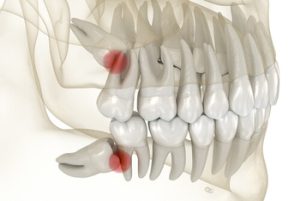 You might be surprised to learn that ear pain can actually start in your wisdom teeth. This happens because the nerves serving the jaw are closely connected to those around the ear. When the gum tissue surrounding an impacted wisdom tooth becomes swollen or infected, it can put pressure on these nerves, causing what feels like an earache.
In addition, an infected wisdom tooth can create swelling or abscesses that lead to referred pain in the ear. The pain might come and go or feel persistent. Many patients describe this as recurring ear pain that doesn’t respond to typical ear infection treatments. That’s why a dentist should assess your wisdom teeth if you have unexplained ear pain.
Can Wisdom Teeth Cause a Sore Throat?
Absolutely. If you’ve noticed a sore throat or even difficulty swallowing, your wisdom teeth could be involved. When an impacted tooth or infected wisdom teeth create swelling or infection in the back of the mouth, it irritates the throat.
Food particles and bacteria can also collect around partially erupted wisdom teeth, leading to infection. This can inflame the surrounding gum tissue and trigger an infection that spreads to the throat, making it painful to swallow or speak.
The result? You might experience swollen gums and tenderness near the wisdom tooth site, along with throat pain and other uncomfortable symptoms.
Common Symptoms of Wisdom Tooth Issues
Wisdom tooth pain doesn’t always stay in one place. In fact, these teeth can cause a surprising range of symptoms, including:
- Jaw pain that feels dull or sharp
- Swollen gums or swollen tissue around the back teeth
- Ear pain on the same side as the emerging wisdom tooth
- Sore throats and difficulty swallowing
- Bad breath caused by food particles trapped around the tooth
- Persistent pain in the lower or upper jaw
- Tooth decay, if cleaning is difficult around partially erupted teeth
If you experience any of these symptoms, especially recurring ear pain or sore throats, it’s wise to get a dental assessment.
How Do Impacted Wisdom Teeth Cause These Problems?
An impacted tooth is trapped below the gum or against other teeth. This pressure can irritate the nerves in the jaw, leading to pain that radiates beyond the tooth itself.
Infection is another major concern. An infected tooth, particularly a partially erupted wisdom tooth, can develop an abscess. This pocket of pus can cause significant swelling and pain, which may travel to the ear and throat.
If left untreated, the infection may spread to surrounding tissues, causing more serious oral health issues and potentially affecting your overall health. The gum tissue around an infected wisdom tooth can remain inflamed, adding to other uncomfortable symptoms.
Upper vs Lower Wisdom Teeth: Any Difference?
Both upper and lower wisdom teeth can cause ear and throat pain, but lower wisdom teeth tend to be the bigger culprits. Because they are closer to the major nerves in the lower jaw, lower wisdom teeth are more likely to trigger nerve-related pain that spreads to the ear or throat.
However, upper wisdom teeth can also cause issues, especially if they push against the sinus area, sometimes leading to sinus-like symptoms or headaches in addition to tooth pain.
Why Wisdom Teeth Removal Can Help
If your wisdom teeth are causing recurring pain, wisdom tooth extraction might be the right option. Removing these third molars can: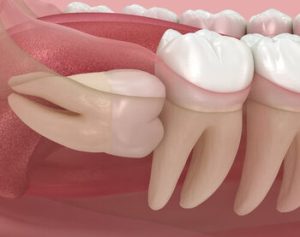
- Prevent tooth decay
- Protect nearby teeth from crowding or damage
- Stop the spread of infection
- Relieve pressure on nerves
- Improve oral hygiene and make cleaning easier
Most patients recover well from wisdom tooth removal, especially with proper aftercare and good oral hygiene habits. Your dentist will discuss how impacted wisdom teeth are removed, what to expect during recovery, and how to maintain your oral health after surgery.
Could It Be Something Else?
Although wisdom teeth can cause a sore throat, ear pain, or jaw pain, it’s important not to overlook other possible causes. Viral infections, bacterial tonsillitis, sinus infections, and even temporomandibular joint disorders (TMJ) can mimic wisdom tooth pain.
That’s why a dental examination is so important. A dentist can help confirm whether your third molars are the root of the problem or if another condition needs treatment.
When to See a Dentist
If you have:
- Pain that keeps coming back
- Swelling that won’t go away
- Trouble opening your mouth properly
- Bad breath that persists
- Swollen gums or difficulty swallowing
It’s best to see your dentist. If wisdom teeth problems are left unaddressed, they can result in tooth decay, gum disease, or even a severe dental abscess.
Prompt treatment can save you from more complicated procedures and protect your oral health for the long term.
Final Thoughts: Look After Your Wisdom Teeth
To sum up, can wisdom teeth cause ear and throat pain? Absolutely. Because of their position and their close relationship with nerves and surrounding tissues, wisdom teeth are well known for causing pain that spreads to the ear and throat.
If you notice persistent pain, recurring ear pain, or a sore throat that does not clear up, get it checked by your dentist. While wisdom teeth might appear harmless, ignoring them can quickly result in tooth infections, gum disease, or other serious concerns.
Regular dental visits and good oral hygiene can help keep wisdom tooth problems under control. And if you do need wisdom teeth removed, a skilled dentist can make the process safe and manageable. For personalised advice and treatment, contact Finesse Dental today at (02) 8806 0790.
Note: Any surgical or invasive procedure carries risks. Before proceeding, you should seek a second opinion from an appropriately qualified health practitioner.
References
- Cleveland Clinic. (n.d.). Sore throat (pharyngitis). Cleveland Clinic. Retrieved from https://my.clevelandclinic.org/health/diseases/8274-sore-throat-pharyngitis
- Colgate. (n.d.). What is good oral hygiene? Colgate. Retrieved from https://www.colgate.com/en-us/oral-health/adult-oral-care/what-is-good-oral-hygiene
- Mayo Clinic. (n.d.). Wisdom teeth: Symptoms and causes. Mayo Clinic. Retrieved from https://www.mayoclinic.org/diseases-conditions/wisdom-teeth/symptoms-causes/syc-20373808