

A broken tooth can turn an ordinary day into a painful ordeal. Broken tooth pain can be sharp, lingering, and distressing, whether it happens while biting down on hard foods or due to an accidental injury. Understanding why this pain occurs, how to manage it, and when to seek professional treatment can make a major difference in protecting your oral health.
Understanding Broken Tooth Pain
When you experience broken tooth pain, it often means part of the tooth’s structure has been compromised. The enamel, which normally shields the tooth, may crack or break, exposing the sensitive inner layers such as the dentine or dental pulp. Once exposed, these layers can react strongly to temperature, pressure, or bacteria, resulting in pain.
What causes a broken or cracked tooth?
A cracked or broken tooth can happen for many reasons. Common causes include: 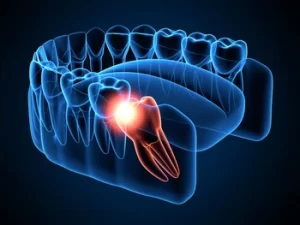
- Biting down on hard foods such as ice or nuts
- Injury from sports or accidents
- Weakened tooth structure due to large dental fillings
- Teeth grinding or clenching
- Sudden temperature changes in the mouth
- Age-related wear on the enamel
When the enamel is compromised, even minor pressure can trigger sharp pain.
Spotting the Signs of a Broken or Cracked Tooth
Symptoms of a fractured tooth vary depending on the extent of the damage. Some people feel mild discomfort, while others experience persistent or intense pain.
Common symptoms include:
- Sharp pain when biting or chewing
- Sensitivity to hot or cold temperatures
- Pain when releasing bite pressure
- Swelling around the affected tooth or gum line
- Discomfort that comes and goes, often linked to cracked tooth syndrome
If a cracked or broken tooth isn’t treated promptly, the damage can progress and increase the risk of infection or a tooth abscess.
Why Does Broken Tooth Pain Occur?
Pain from a broken or cracked tooth usually occurs when the damage exposes the inner nerve or dental pulp. The pulp houses delicate nerves and blood vessels that are extremely sensitive to pressure, temperature, and bacterial exposure. When exposed, these nerves can react to even the smallest stimuli, such as air, touch, or temperature changes.
A severe tooth fracture that extends into the pulp or root area may cause inflammation or infection, leading to more intense dental pain. In some cases, a vertical root fracture can result in intermittent pain that flares up when chewing.
Temporary Pain Relief for a Broken Tooth
While waiting to see a dentist, there are a few ways to relieve pain and prevent further damage. These are only short-term measures and should not replace professional treatment.
Simple Ways to Soothe a Broken Tooth at Home
- Rinse your mouth gently using warm salt water to reduce swelling and clean the area.
- Apply a cold compress to the outside of your cheek for 10–15 minutes to help reduce swelling.
- Take over-the-counter pain relief medication as directed to manage discomfort.
- Avoid hard foods and chew on the opposite side of your mouth.
- Stick to soft foods like soups, mashed vegetables, and yoghurt.
- Maintain proper oral hygiene practices using fluoride toothpaste to prevent infection.
If a large piece of the tooth is broken or an exposed nerve is visible, it’s important to see a dentist immediately. Postponing treatment may allow the condition to progress, resulting in additional dental complications.
Professional Treatment Options
Your dentist will assess the fracture is severity and decide on the most suitable treatment plan. It’s important to remember that only a dentist or an appropriately qualified health practitioner can accurately diagnose the problem and provide the correct medical care.
Common dental treatments for broken tooth pain
The right treatment for a broken or cracked tooth depends on how severe the damage is and where it’s located. Your dentist will thoroughly examine your mouth, review your dental history, and take X-rays to identify the most effective approach to ease pain, restore the tooth’s function, and prevent additional damage.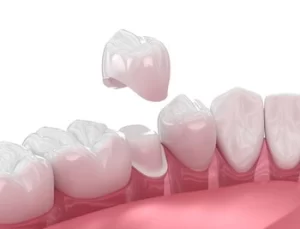
Dental fillings or bonding: Your dentist may use composite resin to restore the tooth’s shape and function for small chips or minor cracks.
Dental crown: When a large section of the tooth is damaged, placing a crown can help shield it from additional harm while restoring its durability and function.
Root canal treatment: If the dental pulp becomes exposed or infected, root canal therapy may be required to remove the affected tissue and alleviate discomfort. This helps preserve the natural tooth and prevents the need for extraction.
Tooth extraction: In cases where the tooth’s structure is too damaged to be saved, extraction may be the safest option. A dental implant can later replace the missing tooth to maintain proper alignment and function.
Dental implants: When replacement is necessary, implants act as artificial tooth roots that support a crown, offering a natural look and long-term stability.
The most suitable treatment will depend on factors such as your dental history, the position of the affected tooth, and how severe the fracture is.
Managing Cracked Tooth Syndrome
Cracked tooth syndrome occurs when a tiny, often invisible crack develops in the tooth too small to appear on X-rays but still leads to noticeable pain or sensitivity. Patients often experience discomfort when biting or releasing pressure, but the pain may not be constant.
If untreated, the crack may deepen, leading to infection or a split tooth, which often requires extraction. Early intervention helps prevent more serious complications and saves the tooth from further damage.
Preventing Broken Tooth Pain
Taking preventive steps is essential for keeping your smile healthy and avoiding unexpected dental pain or emergencies.
Helpful Tips to Prevent Broken Tooth Pain
- Steer clear of biting hard foods or non-food objects such as pens, ice, or bottle caps.
- Use a mouthguard while playing sports or if you tend to grind your teeth during sleep.
- Schedule frequent dental check-ups so your dentist can spot early signs of cracks or decay.
- Keep up with proper oral hygiene by brushing with fluoride toothpaste and flossing daily.
- Don’t ignore dental pain; seek care early before it turns into a more serious issue.
Minor cracks often go unnoticed, which is why regular dental check-ups are vital for early detection and timely treatment.
When to See a Dentist
You should see a dentist as soon as you experience any form of dental pain, especially if the discomfort persists or intensifies. Broken tooth pain may worsen without prompt treatment, leading to infection or the need for a more invasive procedure.
If you experience swelling, fever, or pus around the affected area, these could be signs of a tooth abscess that requires immediate care.
An appropriately qualified health practitioner will assess your symptoms and recommend the most suitable dental treatment. Remember, a surgical or invasive procedure carries risks, so always discuss potential outcomes, benefits, and alternatives with your dentist before proceeding.
Understanding the Risks of Delaying Treatment
Ignoring broken tooth pain can cause further damage to the surrounding teeth, gums, or jawbone. Once bacteria enter the crack, they can reach the dental pulp and cause nerve damage, resulting in infection and severe pain.
Delaying treatment can also increase the likelihood of a vertical root fracture or split tooth, which may lead to extraction. Early dental intervention helps preserve your natural teeth and prevent additional complications.
Recovery and Aftercare
 After dental treatment, proper care supports healing and prevents infection.
- Avoid chewing near the treated tooth until it is fully healed.
- Eat soft foods for a few days following treatment.
- Brush gently with a soft-bristled toothbrush.
- Follow any post-treatment advice from your dentist, including prescribed medication or follow-up appointments.
If you’ve had a root canal or dental crown, your dentist will schedule regular check-ups to ensure the tooth remains stable and healthy.
The Importance of Preventive Dental Care
Taking preventive steps is the simplest way to avoid the discomfort and cost of treating a fractured or chipped tooth. Regular dental visits allow early detection of small cracks before they develop into more serious problems.
Protecting your enamel through proper oral hygiene and mindful eating habits reduces the risk of future fractures. Using fluoride toothpaste and avoiding extreme temperature changes when eating or drinking can also help maintain the strength of your teeth.
Wrapping It Up: Caring for a Broken Tooth the Right Way
Broken tooth pain can be uncomfortable, but it is treatable with prompt and appropriate dental care. Whether it’s a minor chip or a severe fracture, seeking professional treatment early helps relieve pain, preserve the affected tooth, and prevent further dental issues.
If you are experiencing sharp pain, swelling, or discomfort from a cracked or broken tooth, don’t wait for the pain to worsen. Contact Finesse Dental at (02) 8806 0790 as soon as possible to get the professional treatment and relief you need.
Note: Any surgical or invasive procedure carries risks. Before proceeding, you should seek a second opinion from an appropriately qualified health practitioner.
References
NHS. (2025, January 9). Chipped, broken or cracked tooth. https://www.nhs.uk/conditions/chipped-broken-or-cracked-tooth/
Cleveland Clinic. (2023, April 14). Dental crowns. https://my.clevelandclinic.org/health/treatments/10923-dental-crowns
Médecins Sans Frontières. (n.d.). Dental infections. https://medicalguidelines.msf.org/en/viewport/CG/english/dental-infections-18482435.html