

A toothache can be one of the most distracting and uncomfortable experiences, but the good news is that there are many ways of tooth pain relief. In this comprehensive guide, we’ll walk you through how to stop toothache, explore the most common causes of tooth pain, and offer practical steps for managing it at home and when to seek professional care.
Whether you’re feeling a sudden throbbing in a single tooth or struggling with persistent discomfort, this guide is designed to help you confidently take the right action.
What Is A Toothache?
A toothache is more than a minor inconvenience; it’s your body signalling that something may be affecting your oral health. Whether it starts as a dull ache or a sudden sharp sensation, tooth pain is a symptom that shouldn’t be ignored.
The discomfort can often intensify if the underlying cause isn’t addressed, making early care essential for lasting relief.
Why Do My Teeth Hurt?
 You might be experiencing a toothache for several reasons, most of which relate to irritation or inflammation of the nerve inside the tooth.
Often, this discomfort is linked to issues affecting the tooth structure or surrounding gum tissue.
Some of the most common causes of tooth pain include:
- Tooth Decay: When plaque wears down the enamel, it leads to cavities that can expose the sensitive inner layers of the tooth.
- Dental Infections: Bacteria can enter through cracks or decay, leading to infection and inflammation inside the tooth or at its root.
- Cracked or Fractured Teeth: Damage to the tooth’s surface can expose the inner nerves, resulting in throbbing pain or discomfort when chewing.
- Gum Disease: Inflamed or receding gums can cause the roots of the teeth to become exposed and sensitive.
- Exposed Tooth Roots: Often caused by receding gums, this can make your teeth more sensitive to temperature changes and certain foods.
Toothache Symptoms
Recognising the signs of a toothache early can help you take the right steps to manage discomfort and protect your dental health.
While symptoms may slightly vary depending on the cause, being aware of what to look for can make all the difference.
Here are some common symptoms to watch for:
- Throbbing pain or sharp discomfort around a particular tooth or in the jaw
- Red or swollen gums, which may also bleed when brushing or flossing
- A bad taste in the mouth, which could signal an infection or tooth decay
- Swelling in the face, cheek, or around the affected tooth
- Pain when chewing or biting, especially when pressure is applied
- Overly sensitive teeth that react to hot or cold temperatures or sugary foods
- Difficulty breathing or swallowing, which may require immediate attention
These symptoms can range from mild to significant discomfort, and even if the pain seems to come and go, it’s important to address the underlying cause sooner rather than later.
Seeking guidance early can help prevent toothaches from developing into more serious dental problems.
Home Remedy For Toothache: Gentle Ways To Ease Discomfort
While a dentist knows how to stop tooth pain fast, you can find temporary relief at home in several ways.
1. Apply A Cold Compress
A cold compress or ice pack on your cheek can help minimise swelling and numb pain. Wrap ice in a towel and put it on the impacted area for 15–20 minutes.
2. Rinse With Warm Salt Water
A glass of warm water with half a teaspoon of salt can help to clean the affected area, kill bacteria, and heal wounds in the gum tissue.
3. Use A Hydrogen Peroxide Rinse
A hydrogen peroxide rinse can be useful for killing bacteria, especially if there’s plaque buildup or signs of infection. Mix equal amounts of 3% hydrogen peroxide and water. Swish for about half a minute, then spit it out and rinse with plain water.
4. Try Clove Oil For Natural Relief
Clove oil is a natural disinfectant known for its medicinal properties. Mix a few drops with a carrier oil (like olive oil) and dab it onto a cotton ball. Place the cotton on the painful area for a few minutes.
5. Use Over-The-Counter Pain Relievers
Taking a pain reliever may help lessen pain and reduce inflammation. Always stick to the recommended dose on the label and consult a health professional if unsure.
6. Avoid Sugary Foods And Drinks
Sugary foods can aggravate tooth pain, especially when dental decay or sensitive teeth are involved. Stick to soft, lukewarm meals while you’re experiencing tooth pain.
7. Try A Warm Tea Bag
A used tea bag, especially one with anti-inflammatory properties like peppermint or black tea, can help reduce pain and soothe the affected area. Allow it to cool slightly and place it on the painful tooth.
8. Use Vanilla Extract
Vanilla extract contains alcohol, which can help numb pain. Dab a small amount on a cotton swab and gently apply it to the affected tooth for temporary relief.
9. Elevate Your Head While Resting
Keeping your head elevated can reduce blood flow to the head, which in turn may alleviate pain and reduce inflammation during the night.
10. Maintain Good Oral Hygiene
Brush gently using a soft toothbrush and fluoride toothpaste. This helps remove plaque buildup and protects the gum tissue and affected tooth.
In-Chair Toothache Remedies
Your dentist may offer several treatment options to provide tooth pain relief, depending on the root cause of your discomfort.
Here are some common dental treatments used to manage toothache pain:
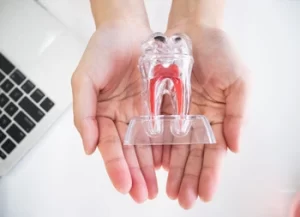 1. Fillings For Tooth Decay
If the discomfort is caused by dental decay, your dental professional may recommend a filling to restore the affected tooth. Fillings help seal the decayed area, prevent further bacterial buildup, and offer toothache relief by protecting the sensitive inner layers of the tooth.
2. Root Canal Treatment
When the nerve inside a tooth gets infected or inflamed, often because of deep decay or trauma, a root canal treatment may be needed.
This procedure involves gently removing the damaged tissue, cleaning the inner canal, and sealing the space. It aims to save the natural tooth and lessen the extent of pain from the inside out.
3. Tooth Extraction
In some situations, particularly when a tooth is severely damaged, cracked, or infected beyond repair, tooth extraction surgery may be the most suitable option.
Removing the painful tooth can help relieve symptoms and prevent the issue from affecting surrounding teeth or gum tissue.
4. Deep Cleaning For Gum Disease
If gum disease contributes to your toothache, your dental professional may recommend a deep cleaning, also known as scaling and root planing.
This procedure targets bacteria and plaque buildup below the gumline, helping to reduce inflammation, support healing, and relieve symptoms like bleeding gums and sore teeth.
Preventing Future Toothaches
Prevention is key to maintaining strong dental health and avoiding another painful tooth in the future.
Habits to prevent toothaches are:
- Brush twice a day with fluoride toothpaste
- Use a soft toothbrush and gentle strokes
- Floss daily to remove food particles
- See your dentist regularly for check-ups and cleans
- Avoid sugary foods and acidic drinks
- Stay hydrated and rinse your mouth after meals
Frequently Asked Questions
How long should I try home remedies before seeing a dentist?
If your toothache pain continues for more than a day, it’s best to see a dentist. Home remedies offer temporary relief, but they don’t address the underlying cause.
How can I tell if I need a filling or a root canal?
Only your dentist can determine this after an examination. A filling is usually enough for mild tooth decay, while a root canal may be necessary if the pulp or nerve is affected.
Are there any risks to ignoring a toothache?
Yes. A persistent toothache can signal a tooth infection, which may spread and lead to more significant discomfort or medical complications.
Conclusion
Now that you know how to provide tooth pain relief, you’re better equipped to take meaningful steps towards better dental health.
While home remedies can offer comfort and temporary relief, it is crucial to see your dentist to treat the underlying cause.
 Early action is the key to maintaining strong, healthy teeth, whether it’s tooth decay, gum disease, or another issue.
Caring for your dental health doesn’t just help you feel better; it builds confidence, encourages a healthy lifestyle, and gives you more reasons to smile.
If you’re experiencing toothache pain, don’t wait for it to worsen. Our caring team is here in Stanhope Gardens to help you take the next step towards feeling comfortable and confident again.
Contact Finesse Dental today at (02) 8806 0790 to book an appointment and get the support you deserve from a team that truly cares about your long-term dental health.
Note: Any surgical or invasive procedure carries risks. Before proceeding, you should seek a second opinion from an appropriately qualified health practitioner.
Sources
Healthdirect Australia. Toothache and Swelling [Internet]. Healthdirect. 2024 [cited 2025 May 22]. Available from: https://www.healthdirect.gov.au/toothache-and-swelling
Kritz F. 3 Ways to Treat a Toothache if You Can’t Get Immediate Dental Care [Internet]. Everyday Health. 2023 [cited 2025 May 22]. Available from: https://www.everydayhealth.com/dental-health/ways-to-treat-a-toothache-if-you-cant-get-immediate-dental-care/
Suzanne L. 16 Common Causes Of Tooth Pain [Internet]. Forbes Health. 2023 [cited 2025 May 22]. Available from: https://www.forbes.com/health/dental/common-causes-of-tooth-pain/
Kashyap N. Toothache: Symptoms, Causes, and Treatment [Internet]. Verywell Health. 2023 [cited 2025 May 22]. Available from: https://www.verywellhealth.com/toothache-6362624