

Achieving a bright, confident smile is possible. But what is the best way to whiten teeth? With countless teeth whitening options available, it can be challenging to know which approach will deliver effective and lasting results.
This article will tap into how to get white teeth and important factors to consider when choosing a treatment.
Whether you’re curious about home kits, natural methods, or professional solutions, this guide aims to help you make an informed decision to enhance your smile while protecting your tooth enamel and overall dental health.
Understanding Teeth Discolouration And Stains
Before exploring whitening options, it’s helpful to understand why teeth stain in the first place.
Teeth may become discoloured due to a combination of external and internal factors:
- Surface stains from foods and drinks like red wine, coffee, tea, and certain fruits
- Plaque buildup and poor dental hygiene that allow stains to settle
- Natural teeth ageing, which makes the tooth enamel thin, revealing the yellowish dentin underneath
- Internal factors such as medication or trauma can also contribute to tooth discolouration
While daily brushing teeth and maintaining good oral hygiene can prevent some stains, stubborn tooth surface discolouration often requires more than just toothpaste to achieve whiter teeth.
Why Consider Professional Teeth Whitening?
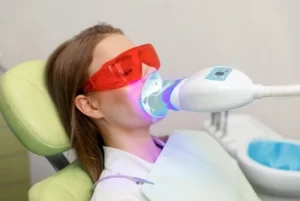 In-chair teeth whitening is a popular dental teeth whitening procedure designed to lighten teeth and remove stains, making your teeth brighter and more attractive.
Professional in-office whitening is widely recognised as the most effective approach among the various teeth whitening methods.
Why? Because it combines:
- Strong whitening agents (usually hydrogen or carbamide peroxide gel) under professional supervision
- Precision application that protects your tooth enamel and gum tissues
- Immediate results with minimal risk of tooth sensitivity or damage
What Does Teeth Whitening Involve?
Most professional teeth whitening involves bleaching, which means applying a controlled amount of a bleaching agent directly onto your teeth.
This whitening gel penetrates the enamel, breaking down tooth stains and discolouration molecules.
This process can predictably lighten teeth several shades. Importantly, it is performed after a thorough dental examination to inspect the health of your teeth and gums and identify the most suitable treatment plan for your needs.
Professional Laser Teeth Whitening And At-Home Kits
Professional laser teeth whitening systems and at-home teeth whitening kits have gained attention for their precision, comfort, and effectiveness among professional whitening systems.
Philips Zoom Teeth Whitening
The Philips Zoom teeth whitening system is one of the most recognised in-office whitening solutions worldwide.
It uses a specially formulated whitening gel activated by a high-intensity laser, accelerating bleaching.
- The light activates the peroxide gel, enhancing its ability to penetrate and dissolve stains.
- The treatment typically takes about 45 minutes and can achieve noticeable whitening in just one visit.
- It includes measures to protect your teeth and minimise any potential tooth sensitivity during and after the procedure.
Pola Teeth Whitening System
The Pola teeth whitening system is another trusted professional option available in Australia.
It offers flexible take-home kits, utilising effective whitening gel concentrations.
- Pola’s professional formulations deliver a strong bleaching agent to target stubborn stains.
- The system is designed to suit different levels of tooth sensitivity, making it adaptable to individual needs.
- Results are mostly visible within a few days and can last with proper maintenance.
What Is The Best Teeth Whitening Option
Choosing the best way to whiten teeth depends on your individual needs, lifestyle, and the level of whitening you’re hoping to achieve.
With so many options available, from tooth whitening products to professional dental clinics, it helps to understand how each method works and what kind of results you can expect.
Let’s take a closer look at some of the most common teeth whitening methods available today.
Whitening Toothpaste And Other OTC Products
While whitening toothpastes and other whitening toothpastes can help maintain whiter teeth, they primarily work by removing surface stains through mild abrasives like baking soda or chemical agents.
However, they do not contain enough active bleaching agents to change the natural colour of your teeth significantly.
- These products are suitable for maintaining brightness between professional treatments.
- They are safe for daily use and support oral hygiene, but have limited whitening power.
- Some kinds of toothpaste may contain ingredients that can cause enamel erosion if overused or used incorrectly.
Whitening Strips And Plastic Trays
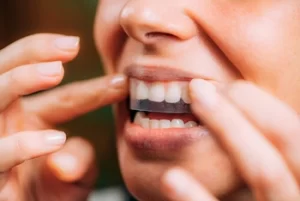 Over-the-counter whitening strips and plastic trays with teeth whitening gel provide a middle ground between toothpaste and professional treatments.
- They use carbamide or hydrogen peroxide gel concentrations lower than those of professional systems.
- Effectiveness varies, with results often taking weeks to become noticeable.
- Some users may notice tooth sensitivity or gum irritation.
- Unlike laser treatments, these methods are self-applied, increasing the risk of uneven whitening or misuse.
Natural Remedies
Some popular natural teeth whitening methods include oil pulling with coconut oil or rinsing with apple cider vinegar.
- These approaches may help remove surface stains and improve oral health marginally.
- There is limited scientific evidence supporting their effectiveness in significantly whitening teeth.
- Overuse of acidic substances like apple cider vinegar can contribute to enamel erosion, potentially harming your tooth structure.
Importance Of Protecting Your Tooth Enamel
Whichever whitening method you choose, protecting your tooth enamel is essential.
Enamel is the hard, protective outer layer of your teeth, and once damaged, it does not regenerate.
- Avoid overusing harsh whitening agents or abrasive kinds of toothpaste.
- Follow professional advice regarding how much whitening gel to apply and treatment frequency.
- Maintain regular dental appointments to monitor oral health and enamel condition.
Managing Tooth Sensitivity During Whitening Treatment
Many people worry about bleaching and tooth sensitivity.
It’s common to experience mild tooth sensitivity during or after whitening, especially with stronger professional treatments.
- Modern teeth whitening treatments like Philips Zoom include desensitising components to minimise discomfort.
- Your dental professional can customise your treatment to suit sensitive teeth.
- Using a sensitive toothpaste and avoiding very hot or cold drinks immediately after treatment helps manage sensitivity.
How Often Should You Whiten Your Teeth?
The frequency of whitening depends on:
- Your lifestyle and habits (e.g., how much coffee or red wine you consume).
- The type of whitening treatment used.
- Your natural tooth colour and enamel thickness.
Typically, professional whitening can be repeated every 12 to 18 months, with maintenance using whitening toothpaste or strips in between.
Oral Hygiene And Lifestyle Tips To Keep Teeth Whiter Longer
To maximise and prolong the effects of your whitening treatment:
- Maintain excellent dental hygiene by brushing teeth at least twice daily with fluoride toothpaste.
- Consider using an electric toothbrush for more effective plaque removal.
- Limit intake of stain-causing foods and drinks, or rinse your mouth after consumption.
- Avoid tobacco products that significantly stain teeth.
- Schedule regular dental appointments for professional cleanings and advice.
Frequently Asked Questions
How long does teeth whitening last?
Results vary depending on lifestyle and maintenance, but generally last from several months to a couple of years.
Are natural whitening methods like oil pulling effective?
Natural methods may support oral health and remove some surface stains, but they are not replacements for professional whitening treatments.
Can I whiten dental restorations with teeth whitening?
Veneers, crowns, and fillings cannot be whitened with whitening methods. If you have restorations, speak with your dentist to determine the best approach to ensure a consistent shade across all your natural teeth and restorations.
How do I maintain my teeth after whitening?
To keep your teeth whiter for longer, practise good oral hygiene, limit stain-causing foods and drinks, avoid smoking, and use whitening toothpaste occasionally.
Your dentist may recommend a touch-up treatment or at-home whitening trays to help maintain results.
Conclusion
If you are ready to enhance your smile, it’s important to choose a method that is effective and tailored to your needs.
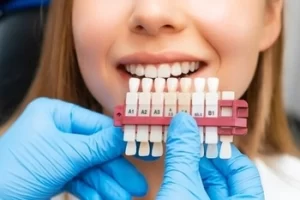 Professional laser teeth whitening systems like Philips Zoom and Pola provide controlled, reliable whitening with expert care.
They are designed to deliver a satisfying whitening effect while protecting your tooth enamel and managing any potential tooth sensitivity.
By combining professional treatment with consistent oral hygiene and lifestyle habits, you can maintain healthy teeth and enjoy your confident smile for years to come.
Choosing the best way to whiten teeth starts with a personalised conversation.
Our team in Stanhope Gardens takes the time to understand your goals, assess your oral health, and guide you through whitening options that suit your smile, whether it’s Philips Zoom laser teeth whitening or Pola take-home kits.
If you’re ready to explore effective and professional teeth whitening treatments, we’ll help you move forward confidently.
Contact Finesse Dental today at (02) 8806 0790 to book a consultation. We’d love to welcome you and help you feel proud of your smile again.
Sources
WebMD Editorial Contributors. Tooth Discoloration [Internet]. WebMD. 2023 [cited 2025 May 20]. Available from: https://www.webmd.com/oral-health/tooth-discoloration
Watson S. What to Expect from Professional Teeth Whitening [Internet]. Verywell Health. 2024 [cited 2025 May 20]. Available from: https://www.verywellhealth.com/how-is-professional-in-office-teeth-whitening-done-1059032
Clarius A. Laser Teeth Whitening: Pros, Cons, & Costs [Internet]. NewMouth. 2024 [cited 2025 May 20]. Available from: https://www.newmouth.com/blog/laser-teeth-whitening/
Grigsby-Young S L. Tooth Sensitivity After Whitening: Causes and Solutions [Internet]. GoodRx. 2024 [cited 2025 May 20]. Available from: https://www.goodrx.com/conditions/dental-care/sensitive-teeth-after-whitening