

Undergoing a dental implant procedure is important for restoring missing teeth and improving oral health. While modern dental implants are designed to feel and function like natural teeth, it’s normal to experience some mild discomfort during the early stages of healing. Know how to relieve pain after dental implant procedure to help make your recovery process easier and more comfortable.
Understanding Dental Implant Pain and What to Expect
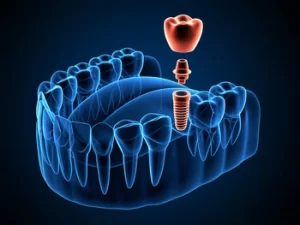
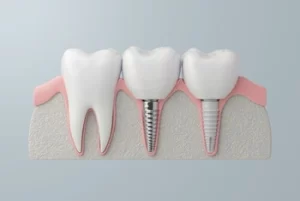
After dental implant surgery, mild discomfort, jaw stiffness, and swelling are normal parts of the healing journey. These symptoms typically appear once the local anaesthetic wears off and can last a few days. Many patients find that dental implants cause less discomfort than tooth extractions, although pain levels can differ between individuals. Pain occurs because the implant site has undergone oral surgery. Your dentist placed a titanium post into the surrounding bone to replace the missing tooth root. As the body heals, the tissues around the implant begin to integrate with the post in a process known as osseointegration.
Throughout the healing process, following your aftercare instructions is essential to support proper recovery and reduce the risk of infection or implant failure.
What’s Normal and What’s Not
Understanding what to expect after undergoing a dental implant surgery can help you distinguish between typical healing symptoms and signs that may require professional attention. While some discomfort is a natural part of recovery, certain symptoms might indicate a complication that needs prompt care.
 Normal Discomfort
- Mild swelling or minor bleeding around the implant area
- A dull ache that improves with over-the-counter painkillers
- Slight bruising of the gum or cheek
- Tenderness when chewing
These symptoms usually subside within a few days as the healing progresses.
When to Contact Your Dentist
You should seek immediate advice from your dental professional if you experience:
- Persistent pain that worsens after a few days
- Significant swelling or redness developing around the implant site
- Trouble opening your mouth or experiencing pronounced jaw stiffness
- Pus, fever, or signs of infection
These could indicate a problem requiring prompt treatment to avoid complications and support proper healing.
Practical Pain Relief Methods After Dental Implant Surgery
Managing dental implant pain effectively helps ensure a smooth recovery and optimal healing. Here are several practical ways to relieve pain and minimise discomfort after your implant procedure.
1. Use Over-the-Counter Painkillers
Pain relief medicines like ibuprofen or paracetamol can help manage mild discomfort. Always follow your dentist’s recommendations and avoid exceeding the prescribed dosage. If stronger medication is needed, your dentist may prescribe pain relief suitable for your condition.
2. Apply Ice Packs
Applying ice packs can help minimise swelling and provide temporary relief from discomfort. Wrap the ice pack securely in a clean cloth and hold it against your cheek for around 15 minutes at a time, making sure not to place it directly on your skin to avoid ice burns.
3. Rest and Limit Physical Exertion
Following your dental implant surgery, it’s important to give your body adequate time to heal. Refrain from extensive exercise or heavy lifting for the first few days, as rest helps your blood vessels recover and minimises the risk of swelling or bleeding.
4. Follow a Soft Foods and Liquid Diet
A soft foods or liquid diet is essential during the initial stage of your dental implant recovery process. Stick to mashed potatoes, soups, smoothies, yoghurt, and scrambled eggs. Avoid crunchy or hard foods that can irritate the implant site. Gradually reintroduce solid foods as your comfort improves.
5. Maintain Proper Oral Hygiene Practices
Keeping your mouth clean prevents infection and promotes proper healing. For the first few days, brush your natural teeth gently and avoid disturbing the implant area. Once your dentist gives the go-ahead, resume your oral hygiene routine, including gentle brushing and rinsing.
Use a soft-bristled toothbrush and an alcohol-free mouthwash. Sticking to good oral hygiene measures and attending regular dental check-ups are vital for preventing complications during dental implant recovery.
6. Avoid Alcohol and Smoking
Limit alcohol consumption and avoid smoking during your recovery period. Both habits can slow down healing, irritate the implant site, and raise the risk of implant failure. A healthy lifestyle plays a significant role in supporting the healing process and maintaining oral health.
7. Follow Aftercare Instructions Carefully
Your dentist’s aftercare instructions are designed to help you manage pain and promote optimal healing. These guidelines may include when to start rinsing your mouth, how to clean around the implant, and when to return for professional cleanings.
Ignoring these steps can delay your recovery or cause unnecessary discomfort. Always contact your dental professional if you have concerns or experience unexpected symptoms.
Managing Pain Naturally at Home
In addition to prescribed or over-the-counter painkillers, there are several natural pain relief methods you can try to alleviate discomfort:
- Saltwater Rinse: After 24 hours, you can use warm salt water to rinse your mouth,;it helps reduce bacteria and calm the gums.
- Cold Compresses: Using cold packs intermittently within the first 48 hours can help minimise swelling and provide soothing relief.
- Hydration: Drinking water helps flush bacteria and supports the body’s natural healing process.
- Elevated Sleeping Position: Sleep with your head slightly raised to help minimise swelling and relieve pressure around the implant site.
These gentle remedies complement your professional care and make managing pain easier throughout your healing journey.
How Long Does Dental Implant Pain Last?
 The recovery process following a dental implant procedure differs from one patient to another. Most people experience minor discomfort for two to three days, while some may notice a dull ache for up to a week.
The implant area typically heals well within the first two weeks; you should feel minimal pain. However, contact your dental professional if you experience pain that persists beyond two weeks. Persistent pain may indicate issues such as infection, nerve irritation, or implant failure, which require prompt evaluation.
Promoting Proper Healing and Long-Term Comfort
Ensuring proper healing after dental implant surgery is essential for long-term comfort and success. By following your dentist’s advice, maintaining healthy habits, and caring for the implant area correctly, you can support a smooth recovery and help your implant last for many years:
Keep the Mouth Clean
Rinse gently after meals and maintain proper oral hygiene without disturbing the implant area. Avoid using mouthwashes with alcohol, as they may dry out your mouth’s tissues and hinder proper healing.
Stay on Top of Dental Appointments
Regular dental check-ups are important for monitoring the implant’s integration and oral health. Your dentist can identify early signs of complications and provide timely care.
Make Dietary Adjustments
Continue eating soft foods until your dentist confirms that the implant has stabilised. Avoid sticky, spicy, or overly hot foods that could cause irritation.
Avoid Touching the Implant Area
While it might be tempting to check the site with your tongue or finger, doing so can disturb the healing tissue and increase the risk of infection.
Prioritise a Healthy Lifestyle
Maintaining balanced nutrition, getting enough sleep, and reducing alcohol consumption all support faster recovery. A healthy body heals more efficiently and is less likely to develop infection or swelling.
When Could Dental Implant Pain Mean Something’s Wrong?
While minor discomfort is normal, certain symptoms should never be ignored. These include:
- Throbbing or severe pain that worsens over time
- Prolonged bleeding or pus from the implant site
- Pain spreading to nearby teeth or the jaw
- Numbness around the lips or chin after the initial healing period
These signs could suggest infection, nerve irritation, or implant failure. To prevent further complications, contact your dentist immediately if any of these symptoms occur.
What Your Dentist Can Do to Help
Your dental professional may take X-rays to ensure the implant is integrating properly with the surrounding bone. If an infection is present, antibiotics may be prescribed. In rare cases, adjustments to the implant or an additional procedure may be needed to restore comfort and stability.
Trusting an experienced team ensures that you receive proper care and guidance throughout your dental implant recovery period. With the right support, most patients enjoy excellent results and a fully restored smile.
The Importance of Proper Care and Regular Check-Ups
Long-term success with dental implants depends heavily on maintaining good oral hygiene and attending regular dental check ups. Proper oral hygiene practices such as brushing twice daily, flossing, and professional cleanings help prevent inflammation around the implant.
Over time, your implant will become a strong part of your bite, blending seamlessly with your natural teeth. Ensuring ongoing care will protect both your implant and surrounding structures, keeping your smile healthy for years to come.
Final Thoughts on Managing Dental Implant Pain
 Experiencing mild discomfort after a dental implant procedure is completely normal. By following your dentist’s aftercare instructions, practising proper oral hygiene, and using simple pain relief methods, you can manage discomfort effectively and promote a smooth recovery.
Remember, every healing process is unique. Stay patient with your body, rest when needed, and reach out to your dentist if anything feels unusual.
For professional advice and long-lasting comfort after your dental implant procedure, contact Finesse Dental today at (02) 8806 0790 to schedule your check-up.
Note: Any surgical or invasive procedure carries risks. Before proceeding, you should seek a second opinion from an appropriately qualified health practitioner.
References
- Leiva, C. (2021, June 10). How do saltwater rinses help your oral health? Healthline. Retrieved from https://www.healthline.com/health/dental-and-oral-health/salt-water-rinse
- NHS UK. (n.d.). How to keep your teeth clean. NHS. Retrieved from https://www.nhs.uk/live-well/healthy-teeth-and-gums/how-to-keep-your-teeth-clean/
- National Library of Medicine. (2025, July 30). Pain relievers. MedlinePlus. Retrieved from https://medlineplus.gov/painrelievers.html
- Healthdirect Australia. (2025, February). Dental implant procedure. Retrieved from https://www.healthdirect.gov.au/dental-implant